
NeoCon 2026 Recap: Where Design Connects
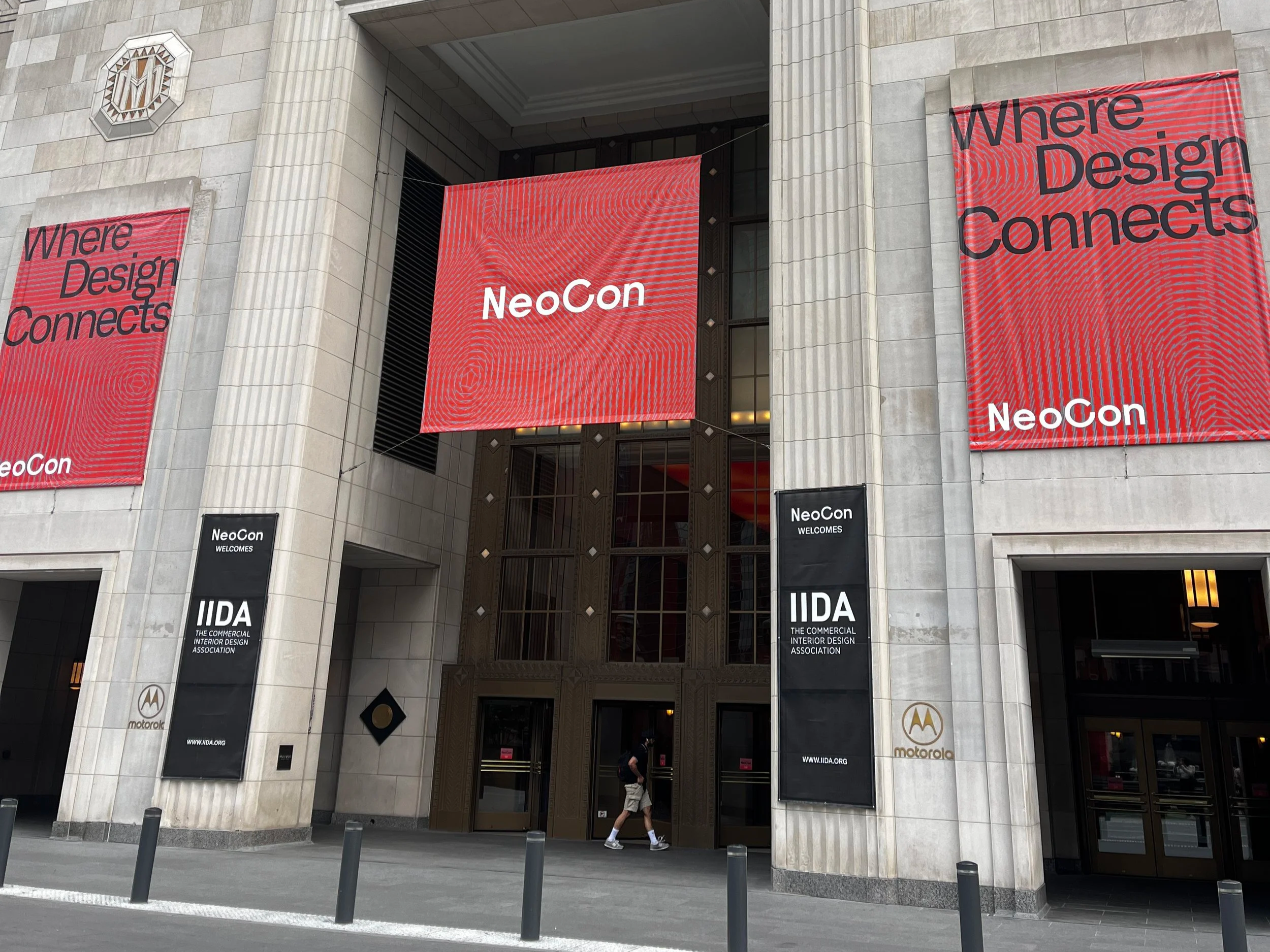
NeoCon 2026 returned to The Mart in Chicago with the theme “Where Design Connects,” bringing together the people, products and perspectives shaping the future of commercial interiors. This year’s show took place June 8–10, and the theme felt especially fitting across the showrooms, installations and product storytelling we experienced.
From richly layered environments to tactile material displays, NeoCon 2026 was less about one singular aesthetic and more about connection points. Connections between past and present. Between material and process. Between product, story and user experience. Across the show, brands used space as a way to invite curiosity, slow people down and create moments of discovery.
Dark, Moody Color Palettes Take the Lead
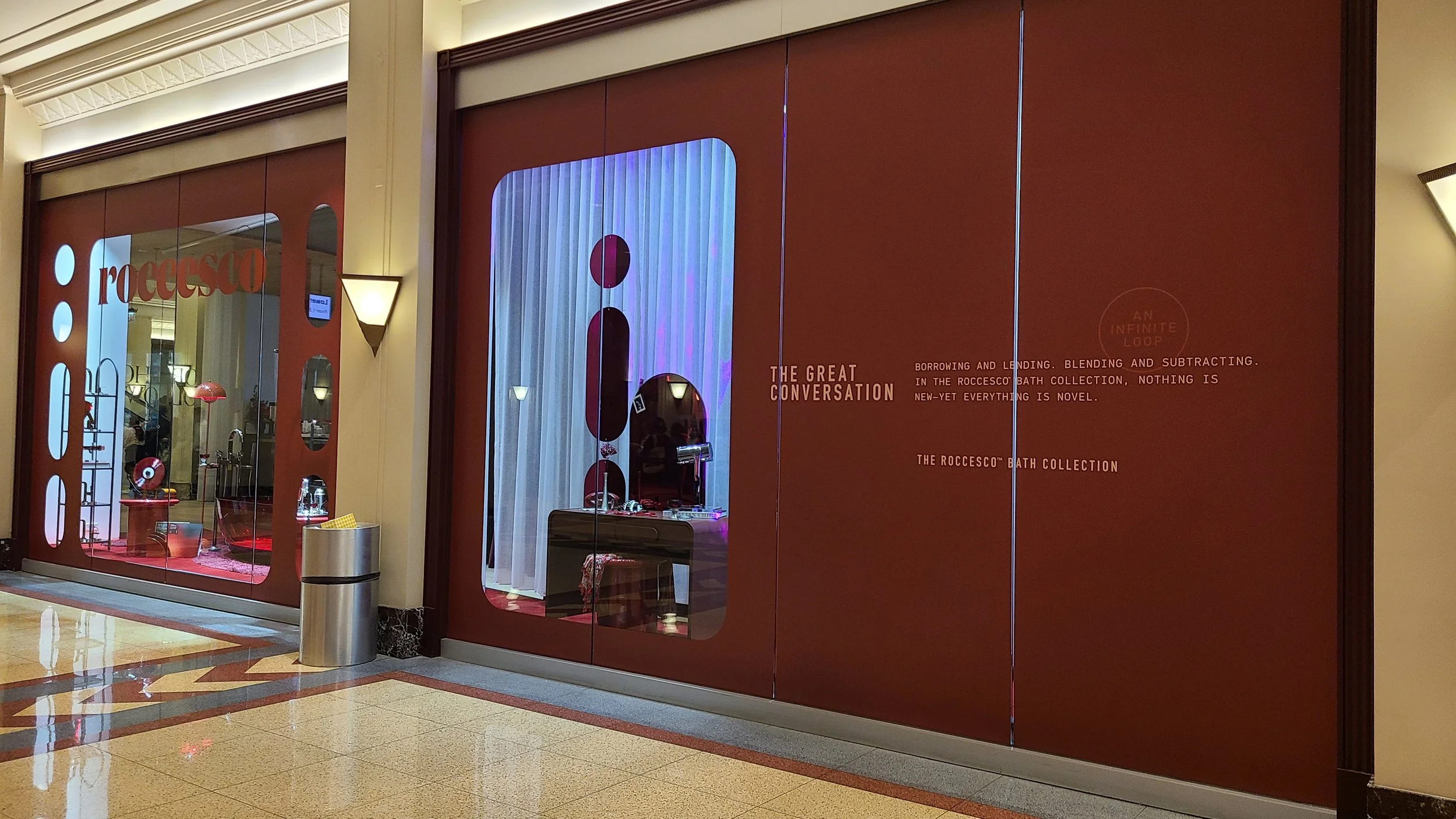
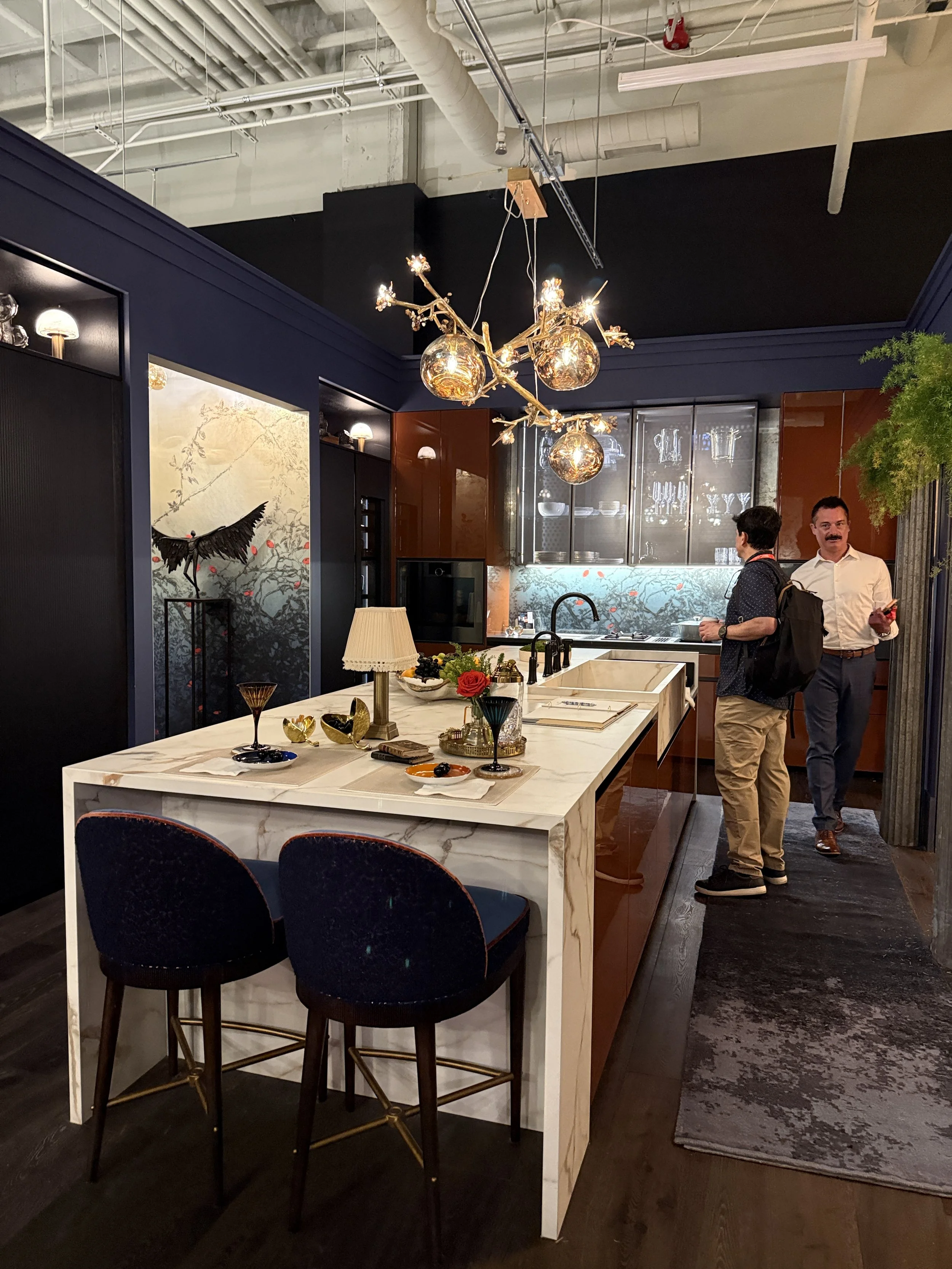
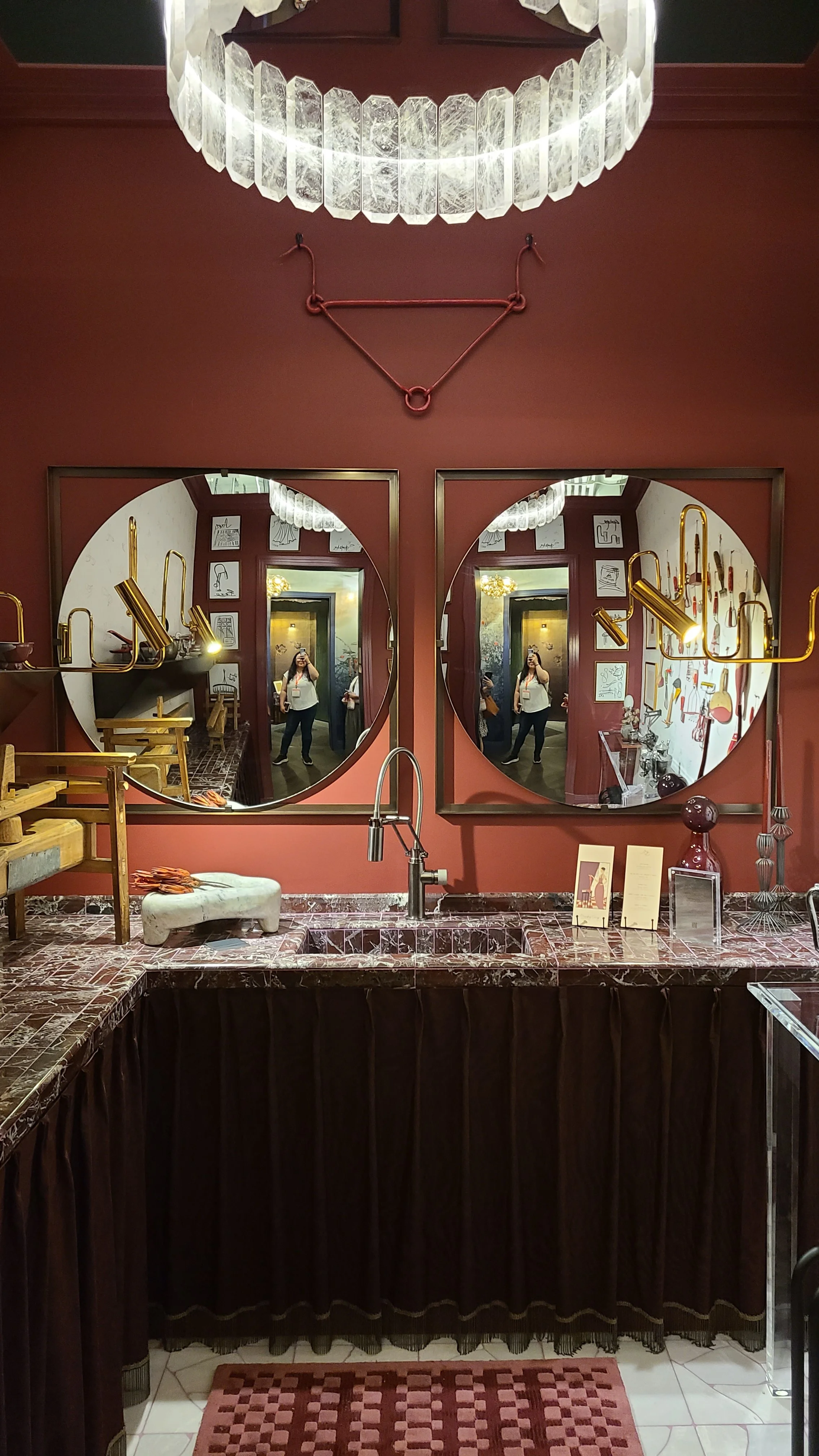
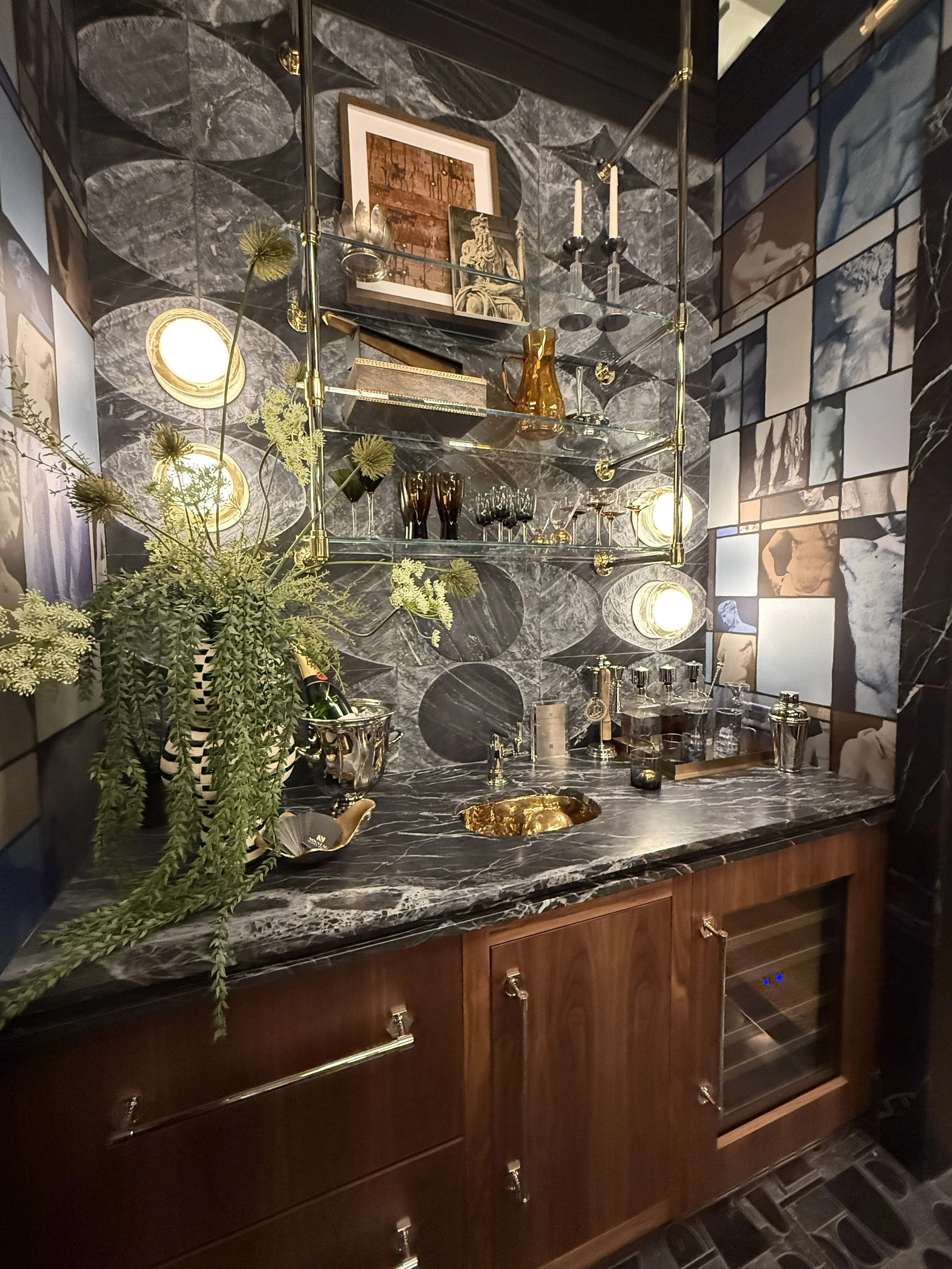
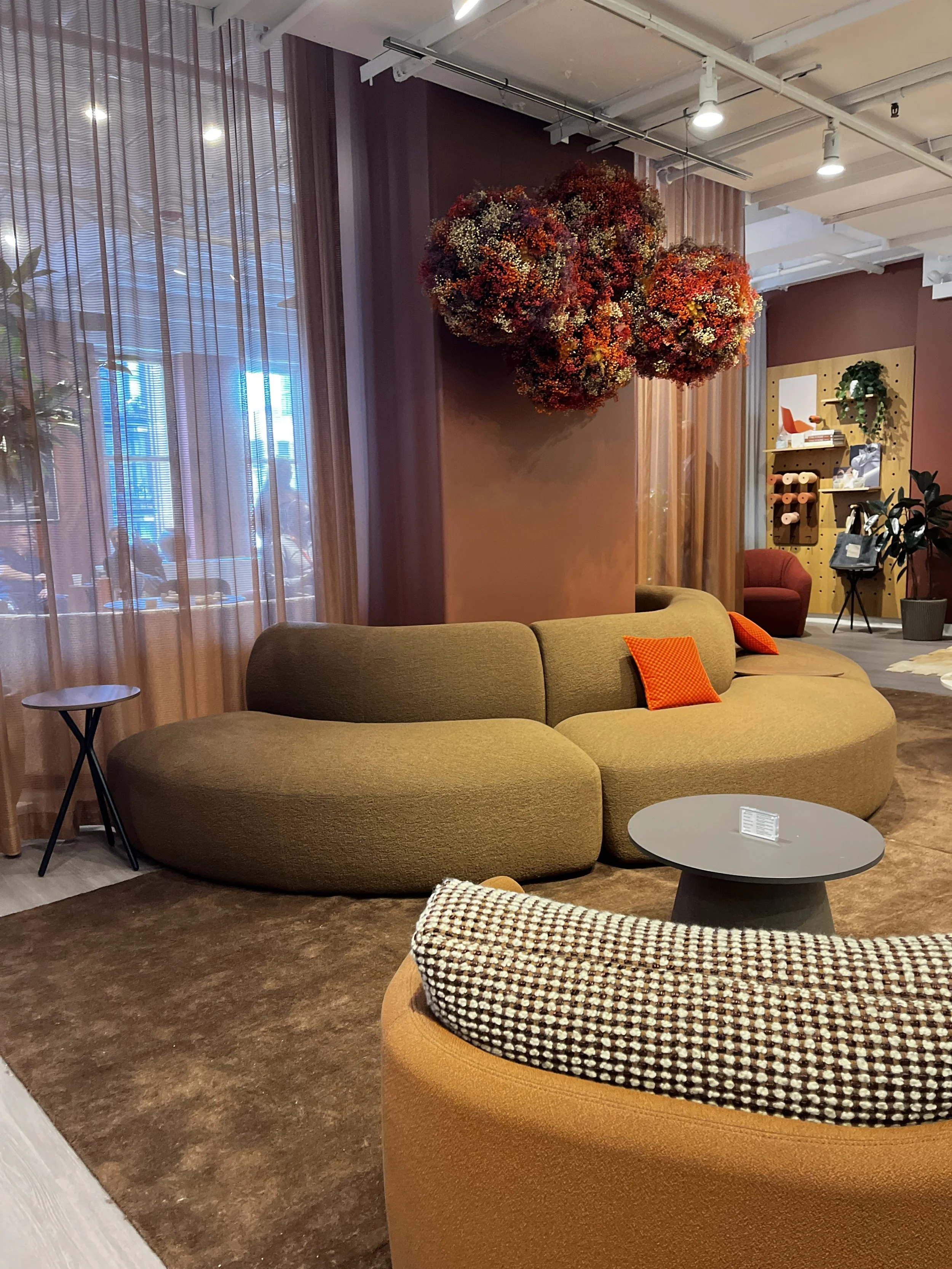
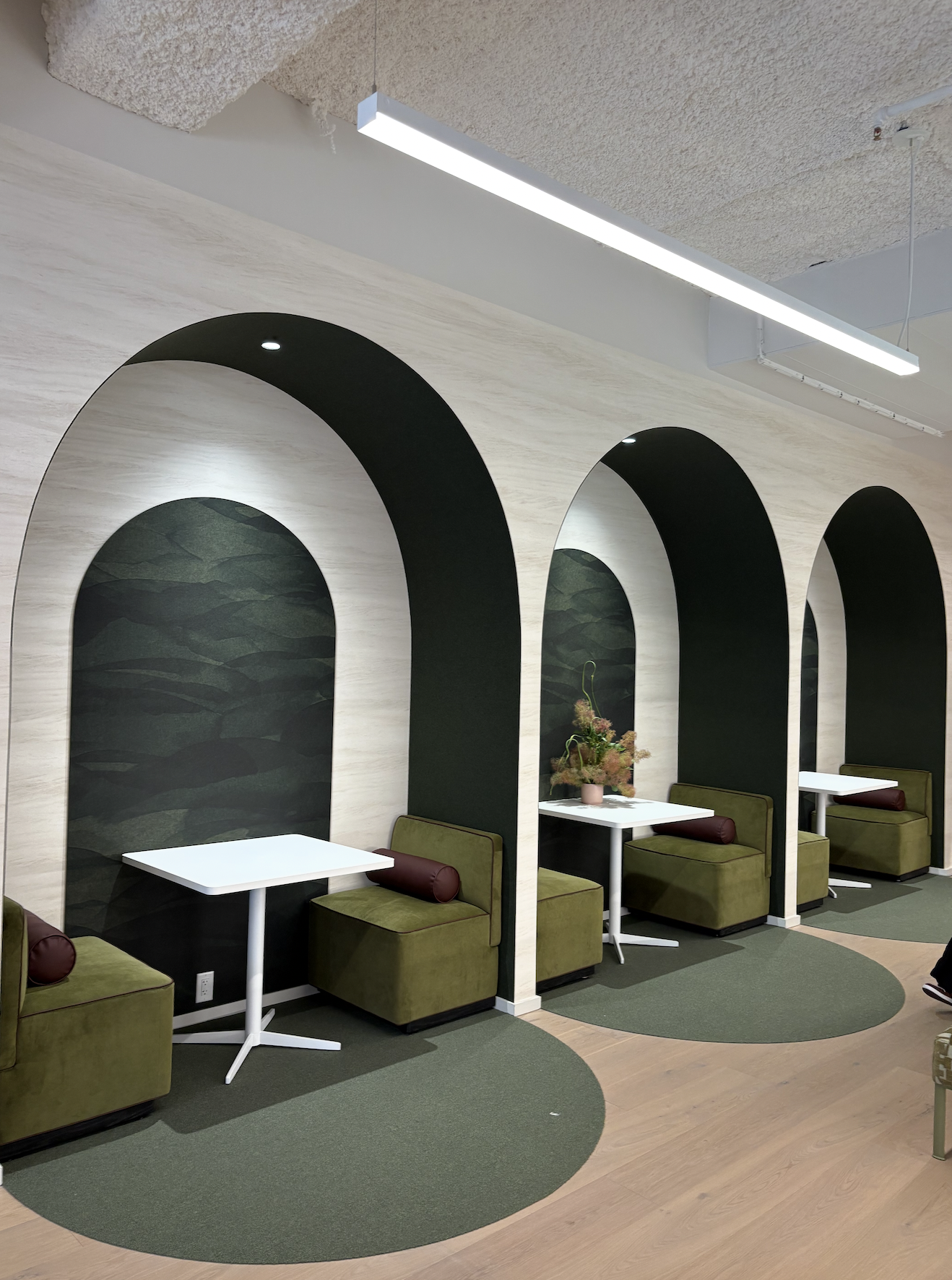
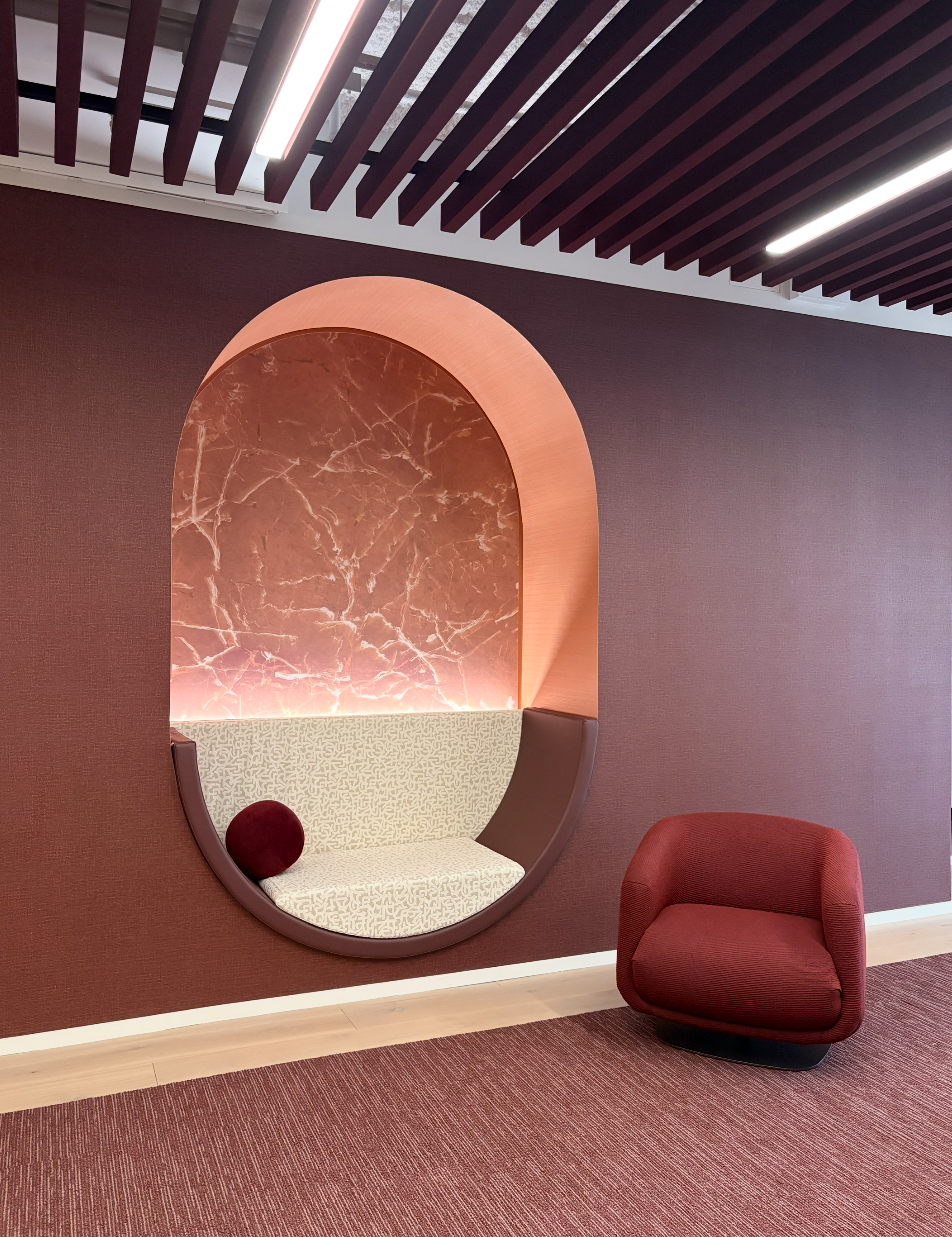
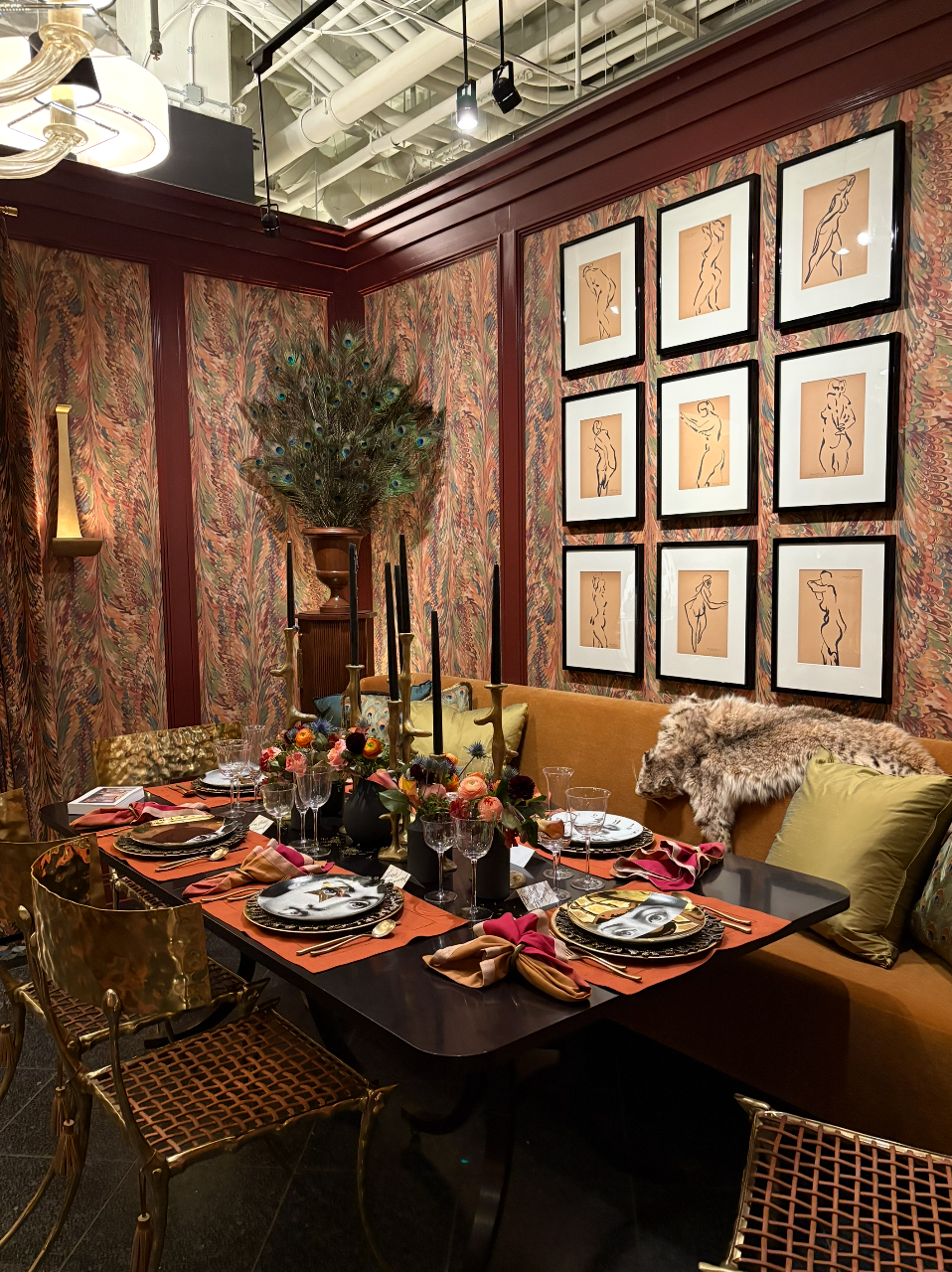
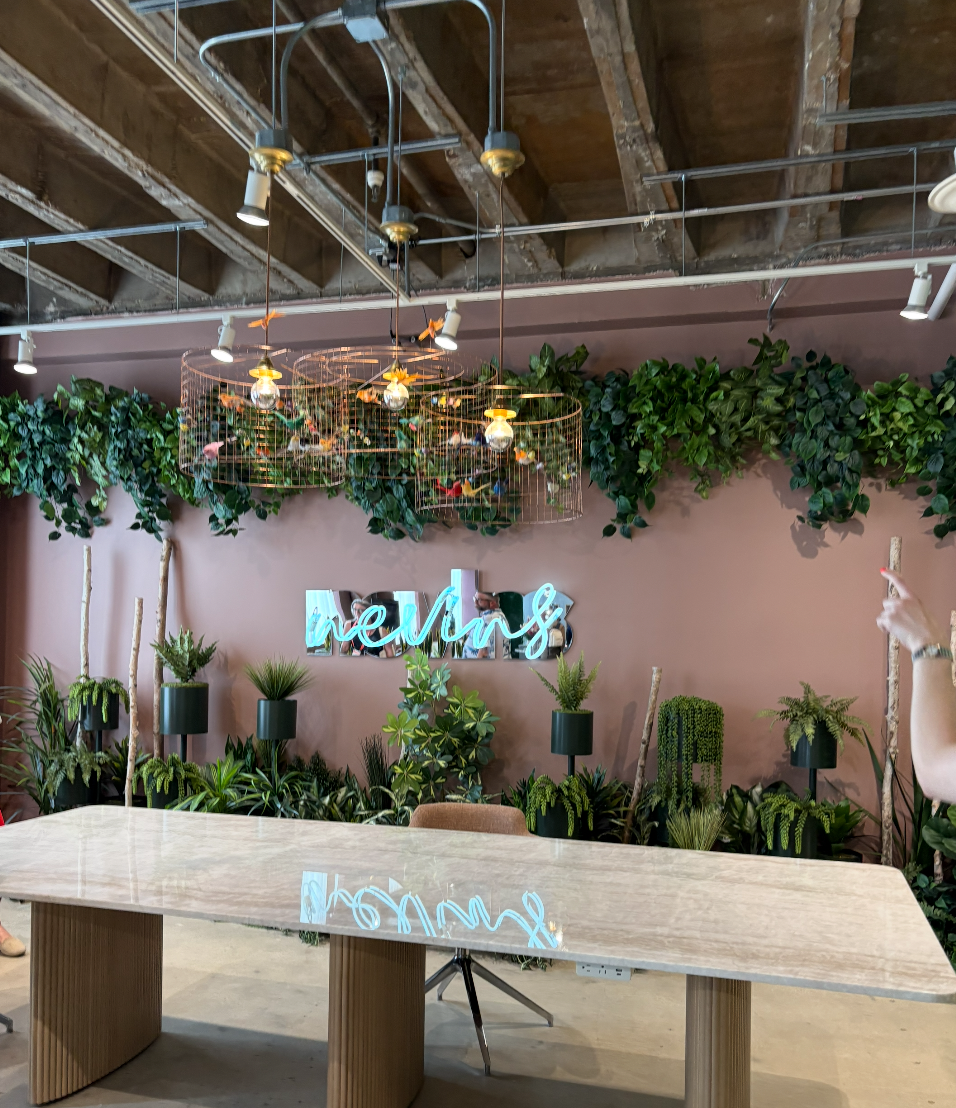
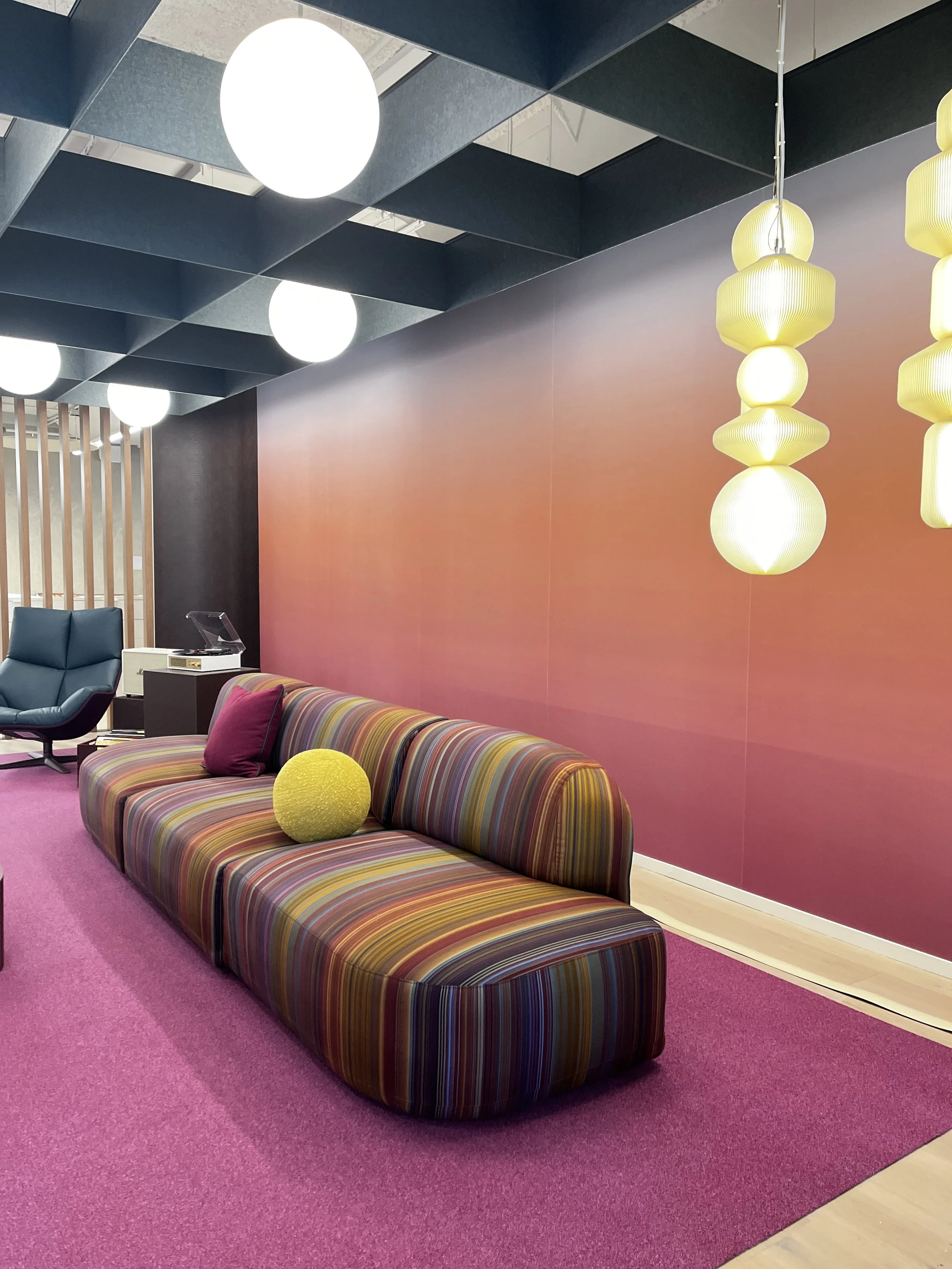
One of the most noticeable trends this year was the shift toward deeper, moodier interiors. Rich burgundies, oxblood reds, smoky charcoals, deep blues and earthy greens showed up across showrooms and installations, creating spaces that felt intimate, elevated and immersive.
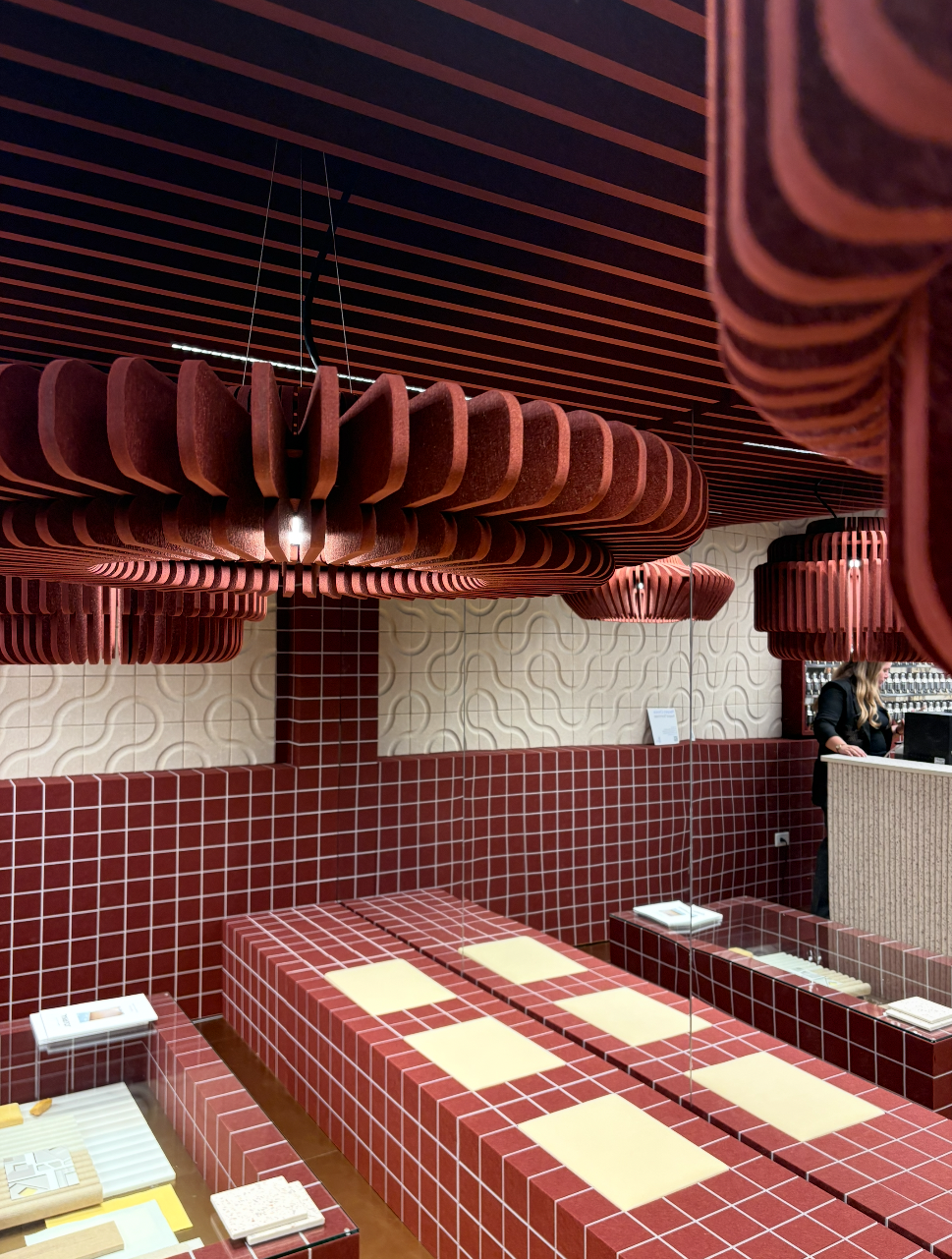
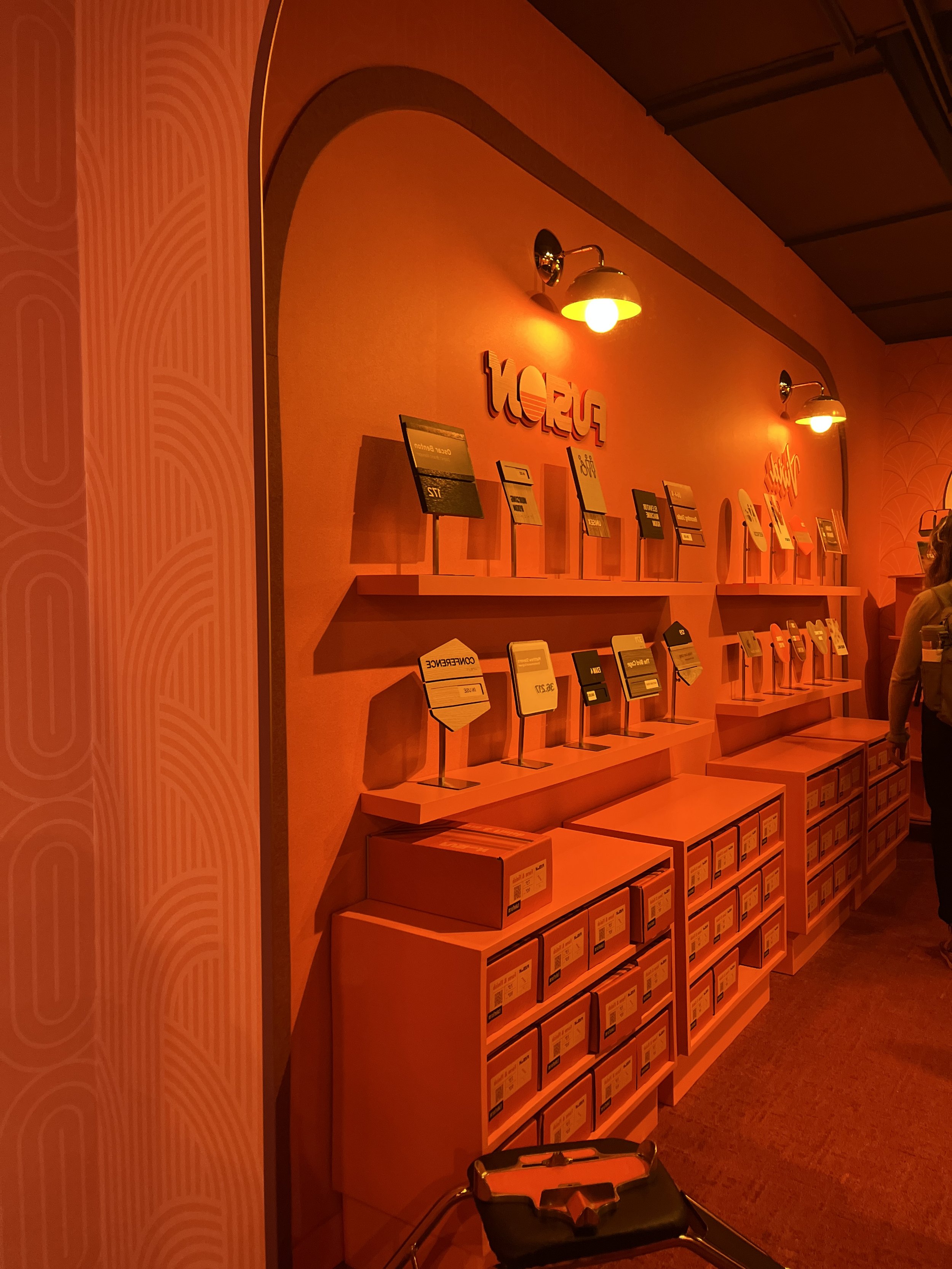
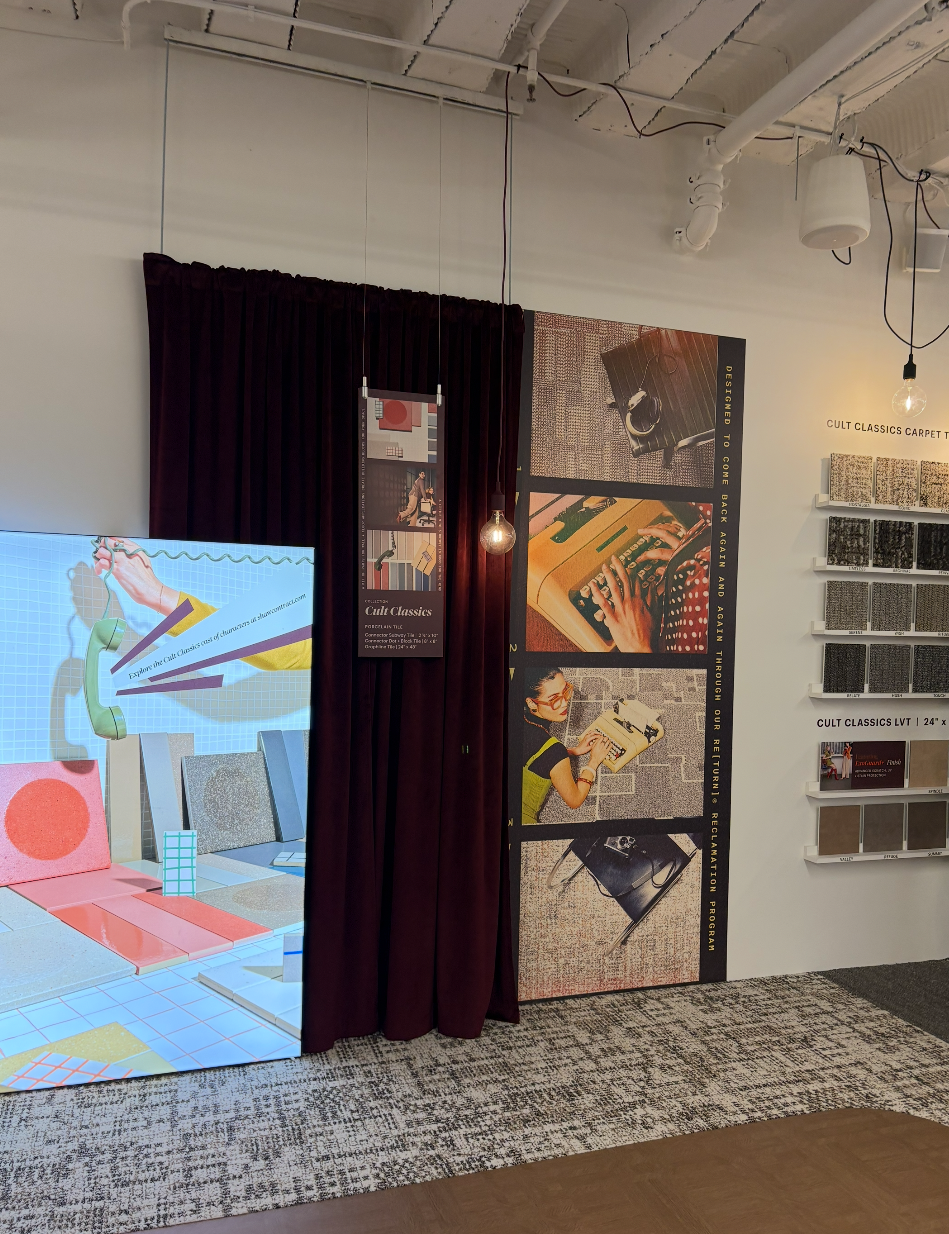
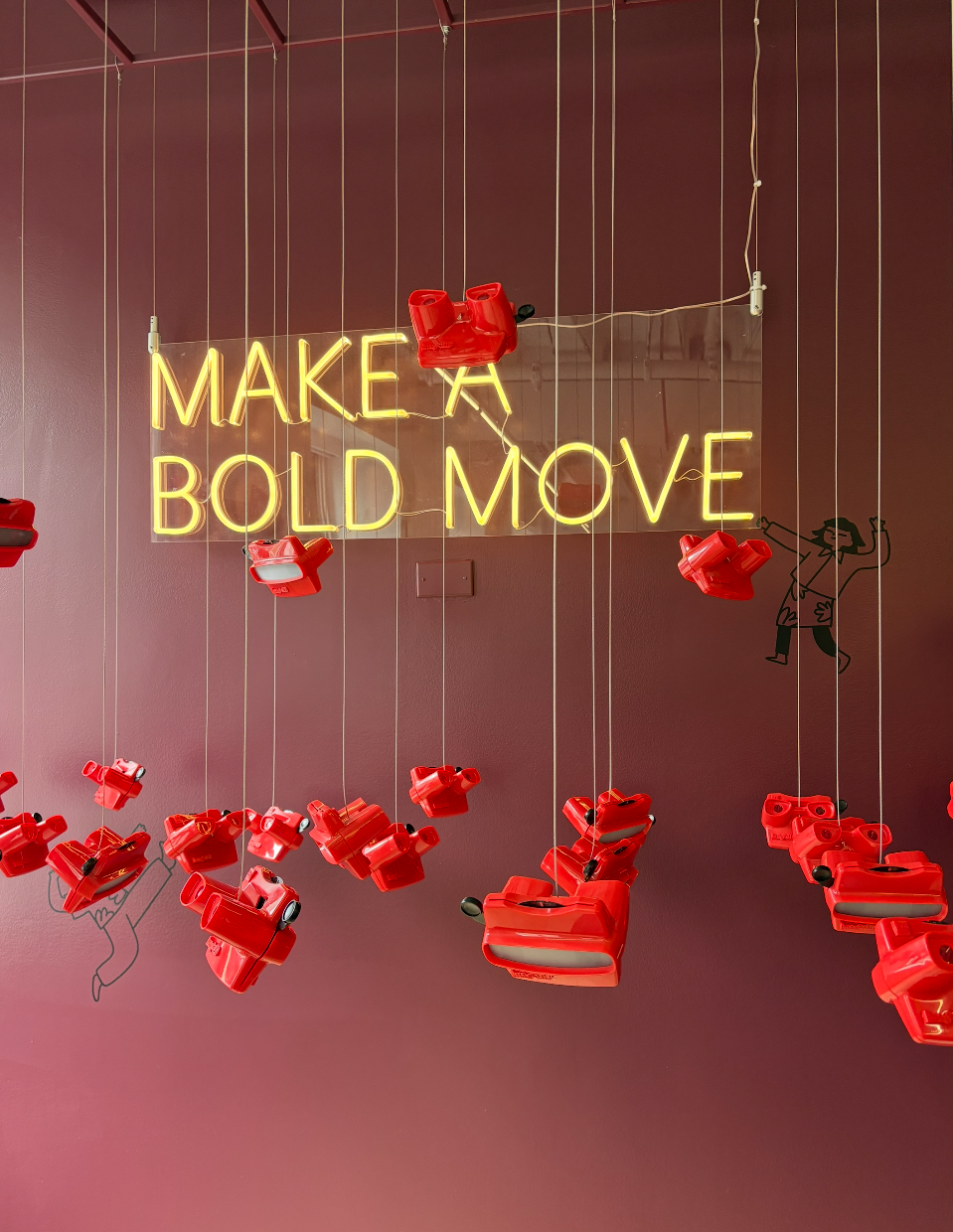
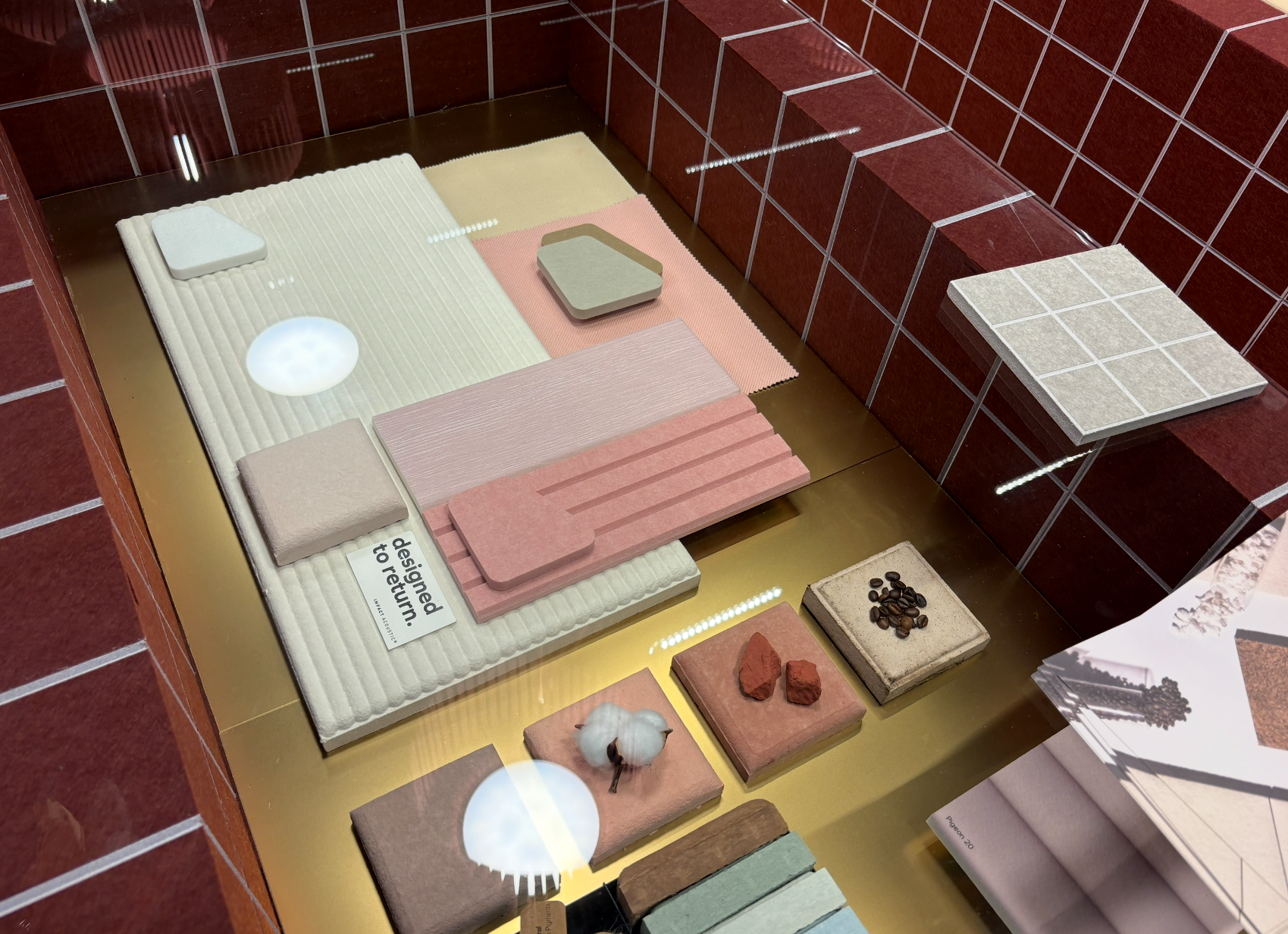
A deep burgundy tone, in particular, seemed to be everywhere. It appeared on walls, flooring, partitions, product displays and graphic moments, giving spaces a warm, grounded presence. Rather than feeling heavy, these darker palettes created contrast and drama, especially when paired with brass accents, glowing light, glass, wood and textured materials.
Maximalism Makes the Experience Memorable
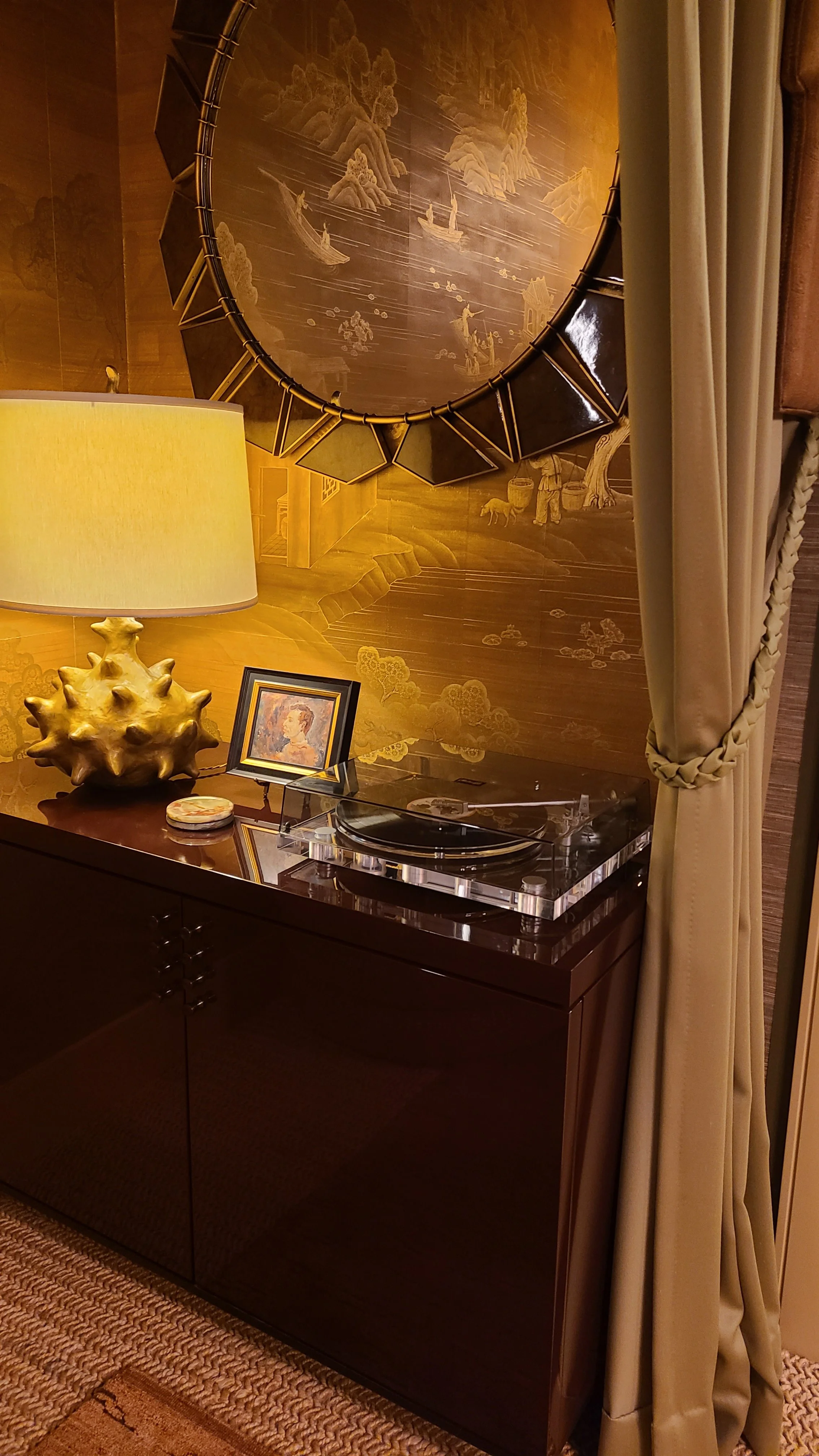
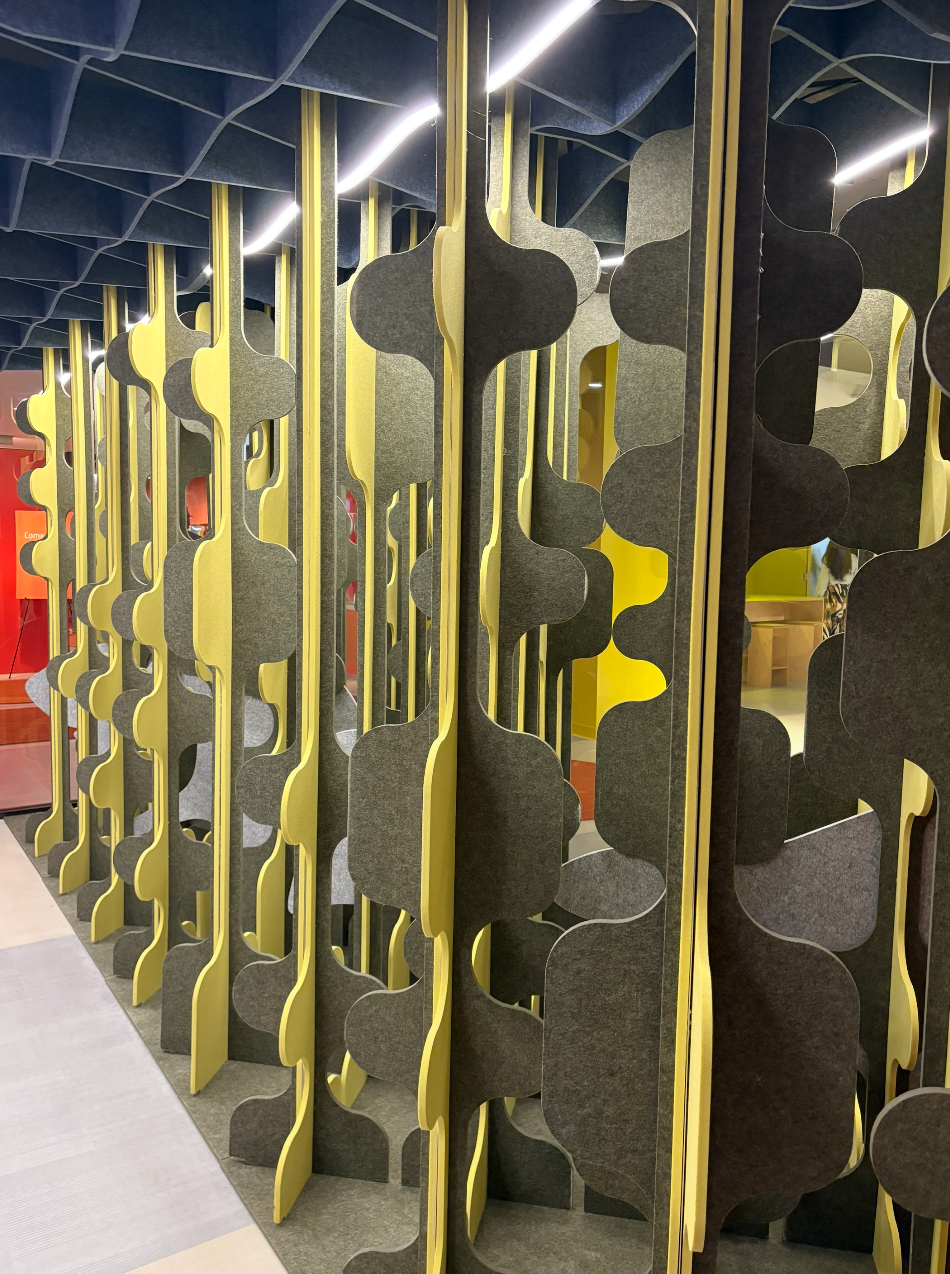
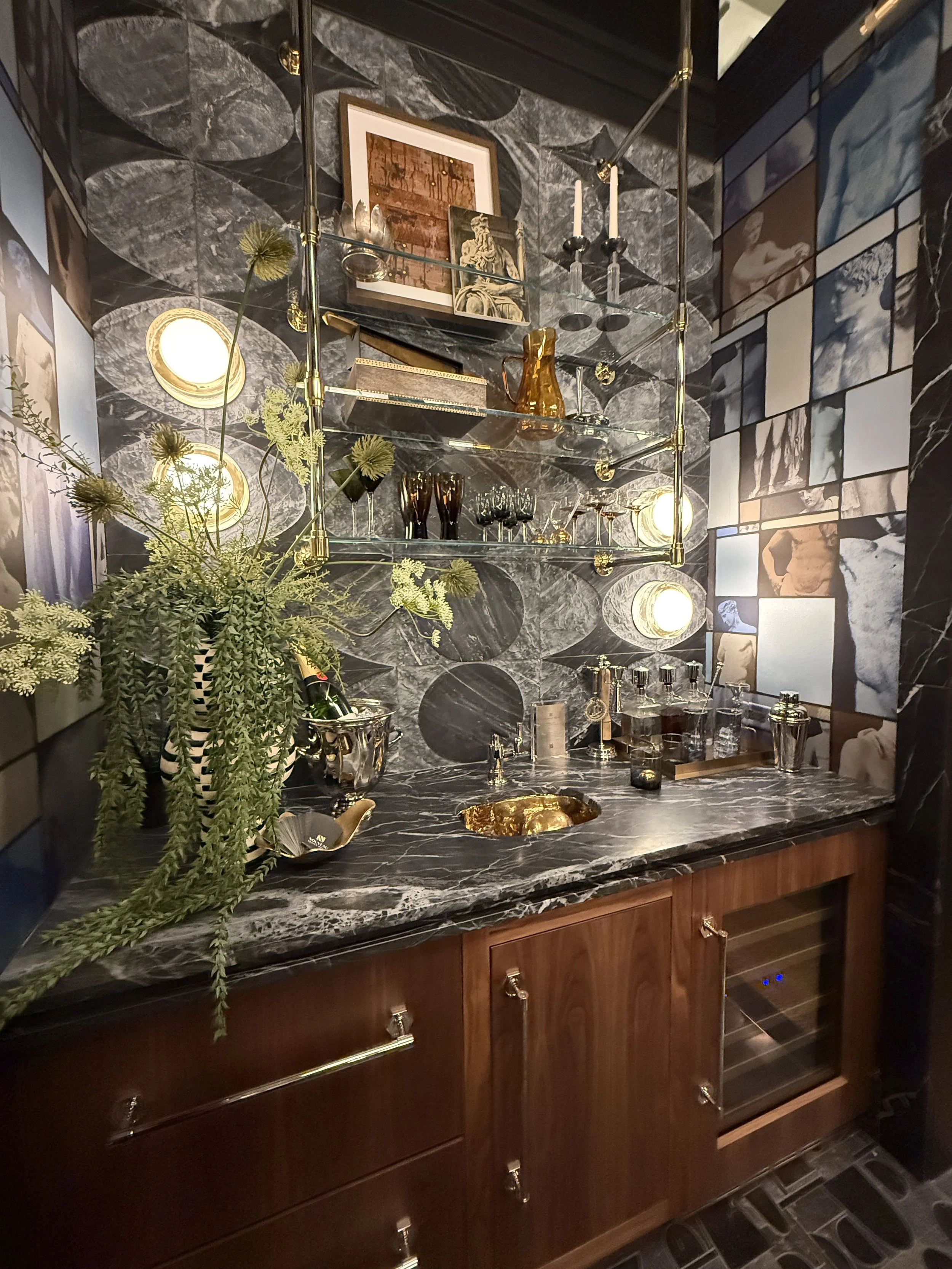
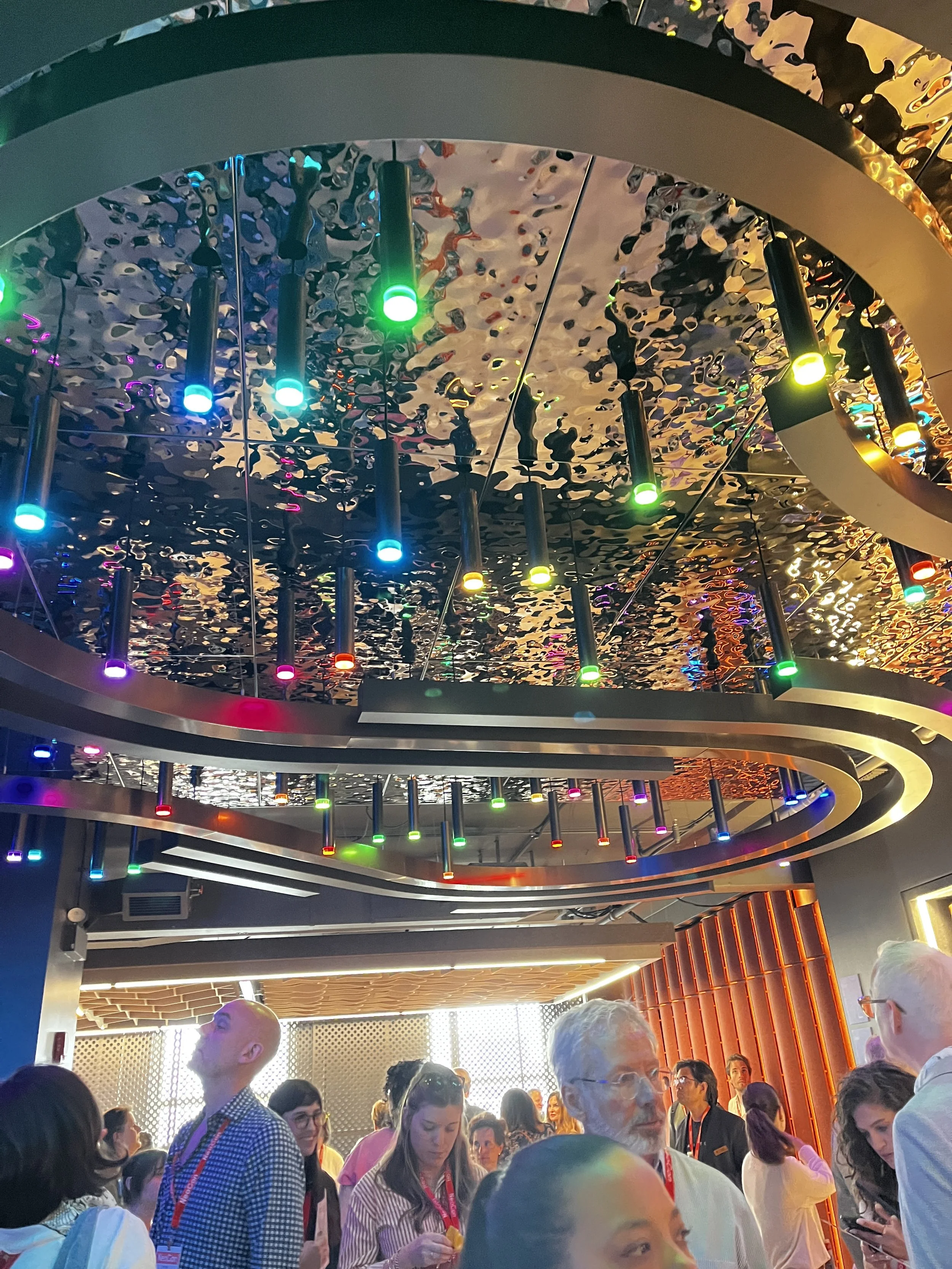
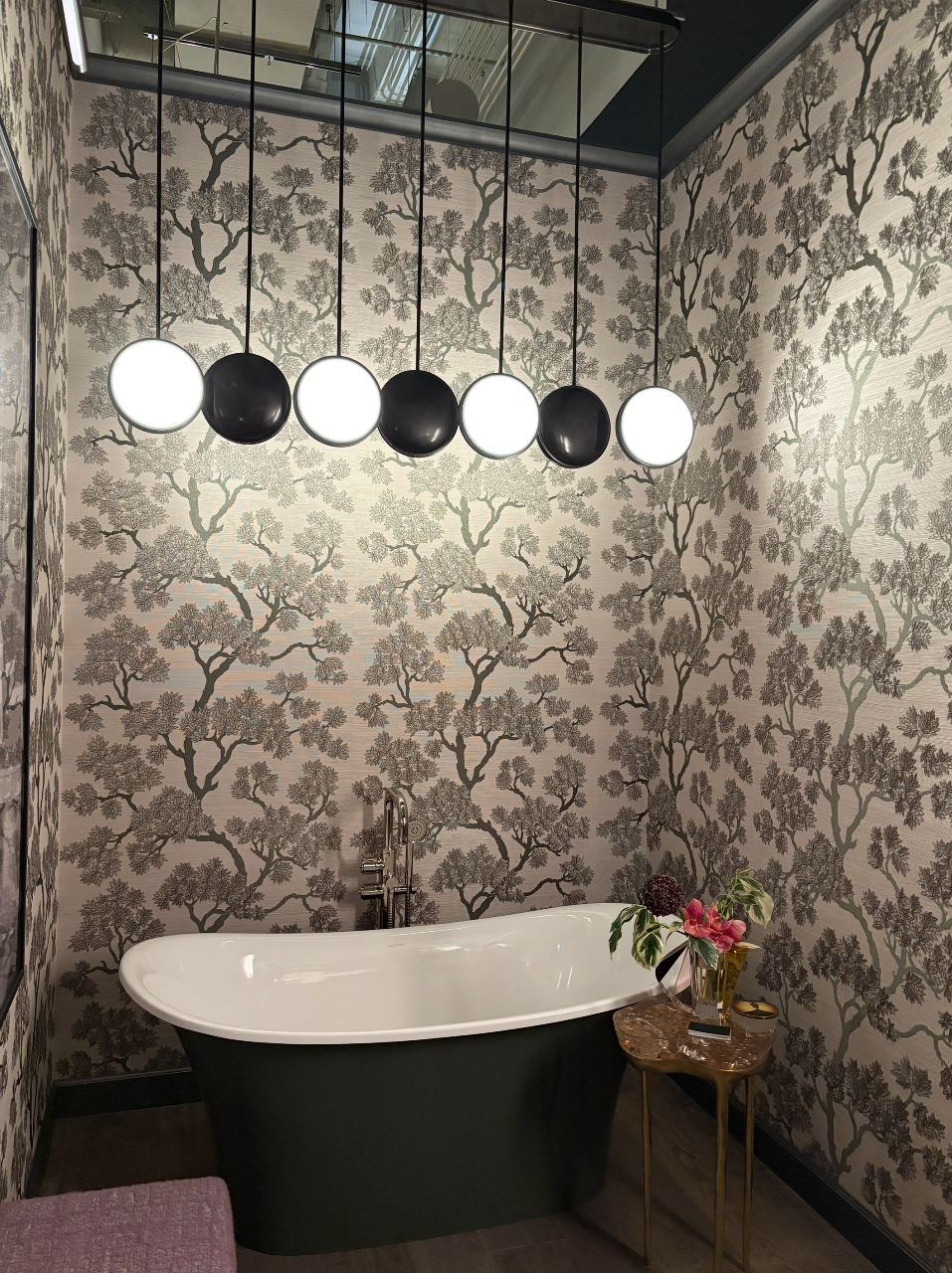
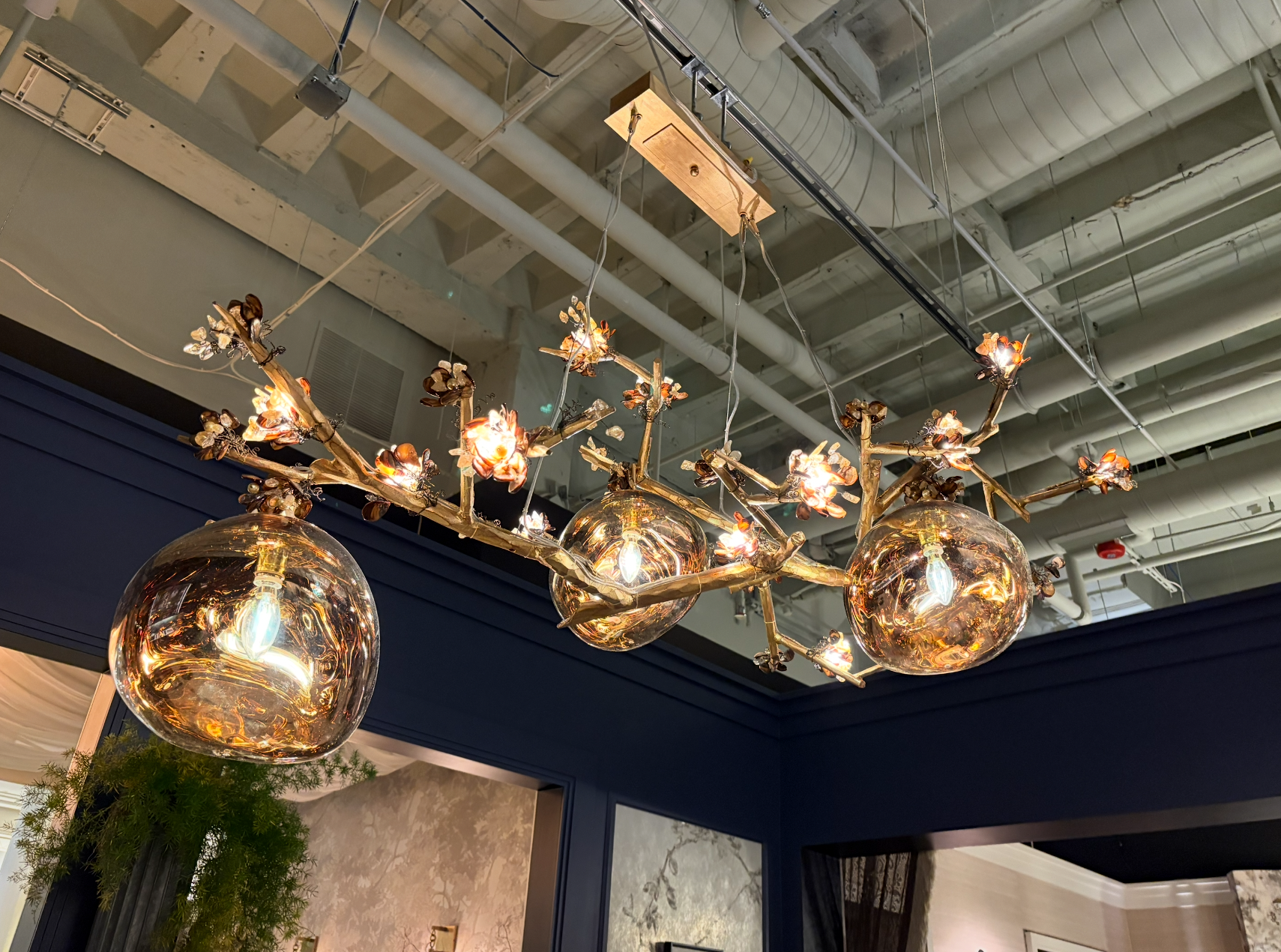
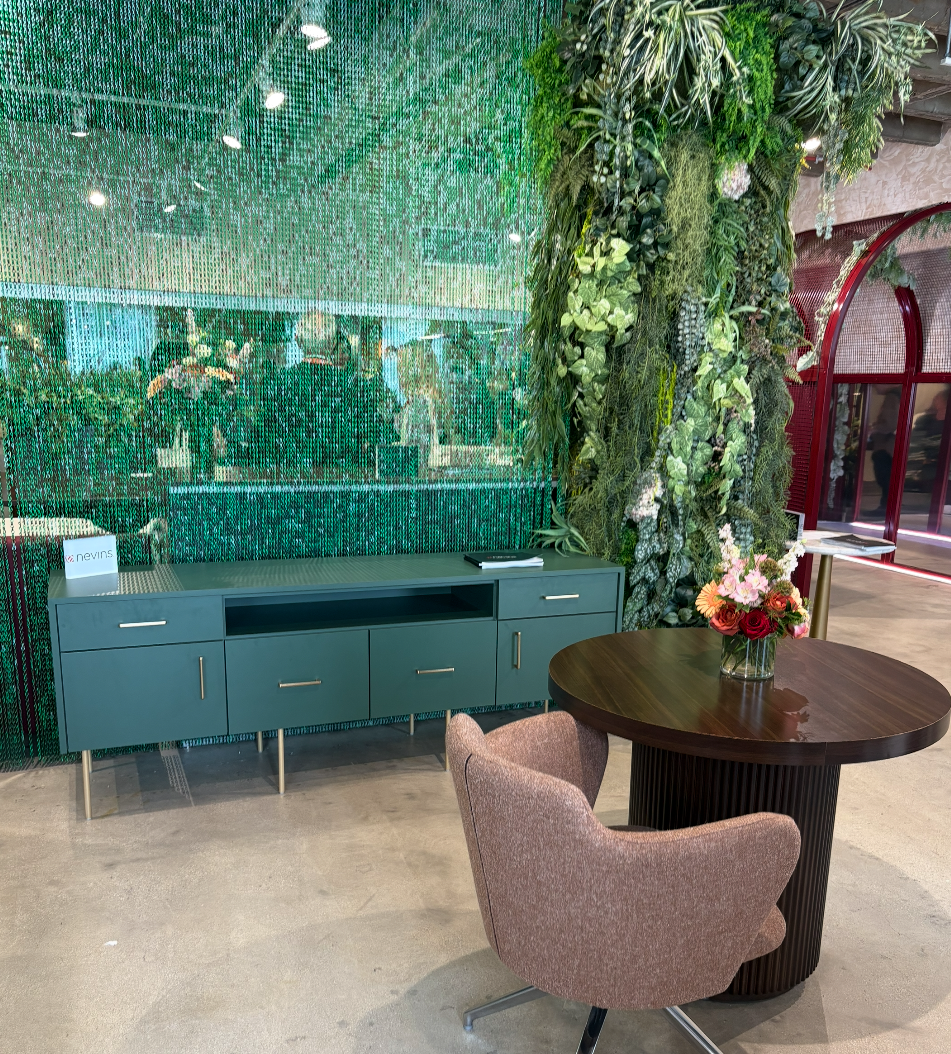
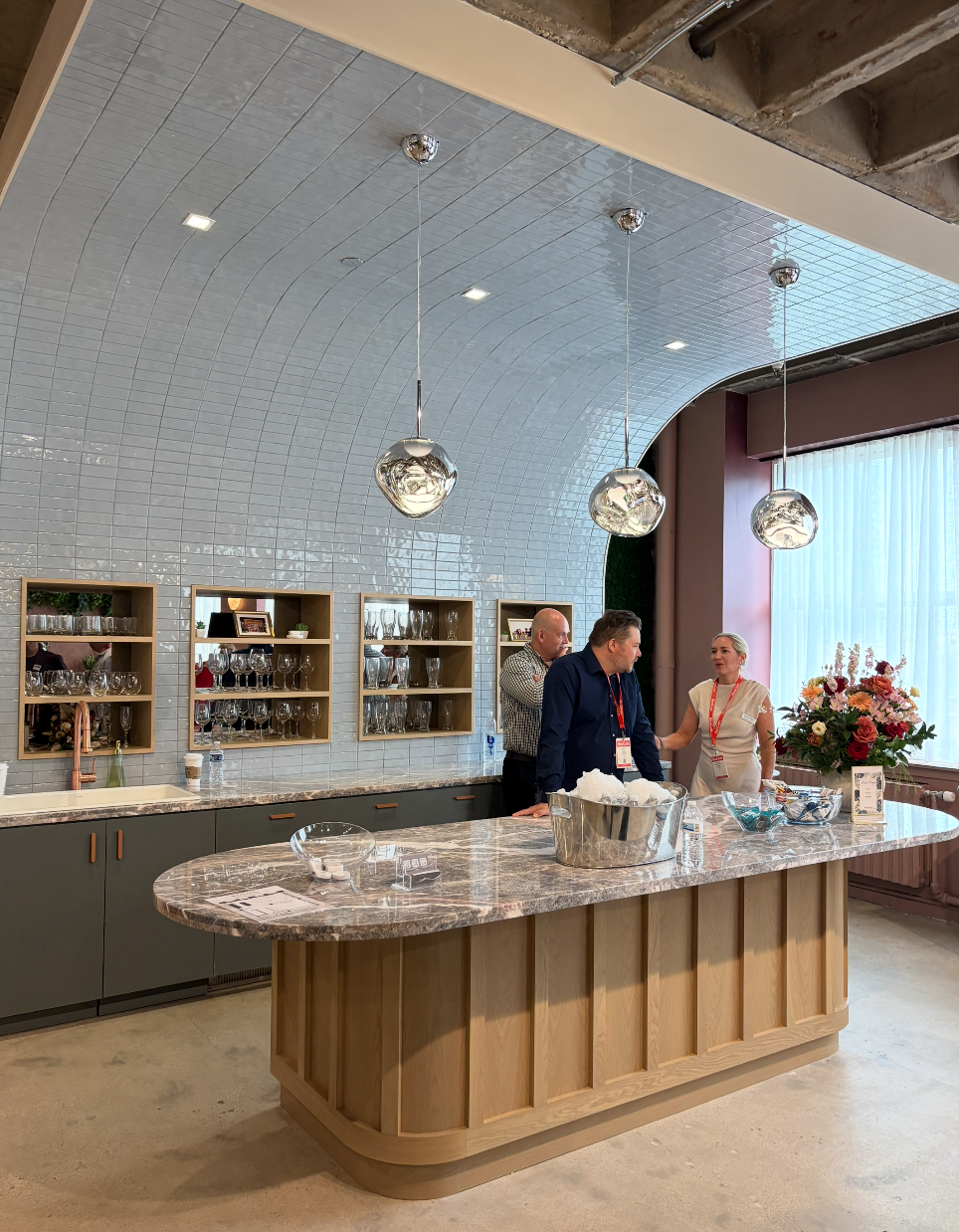
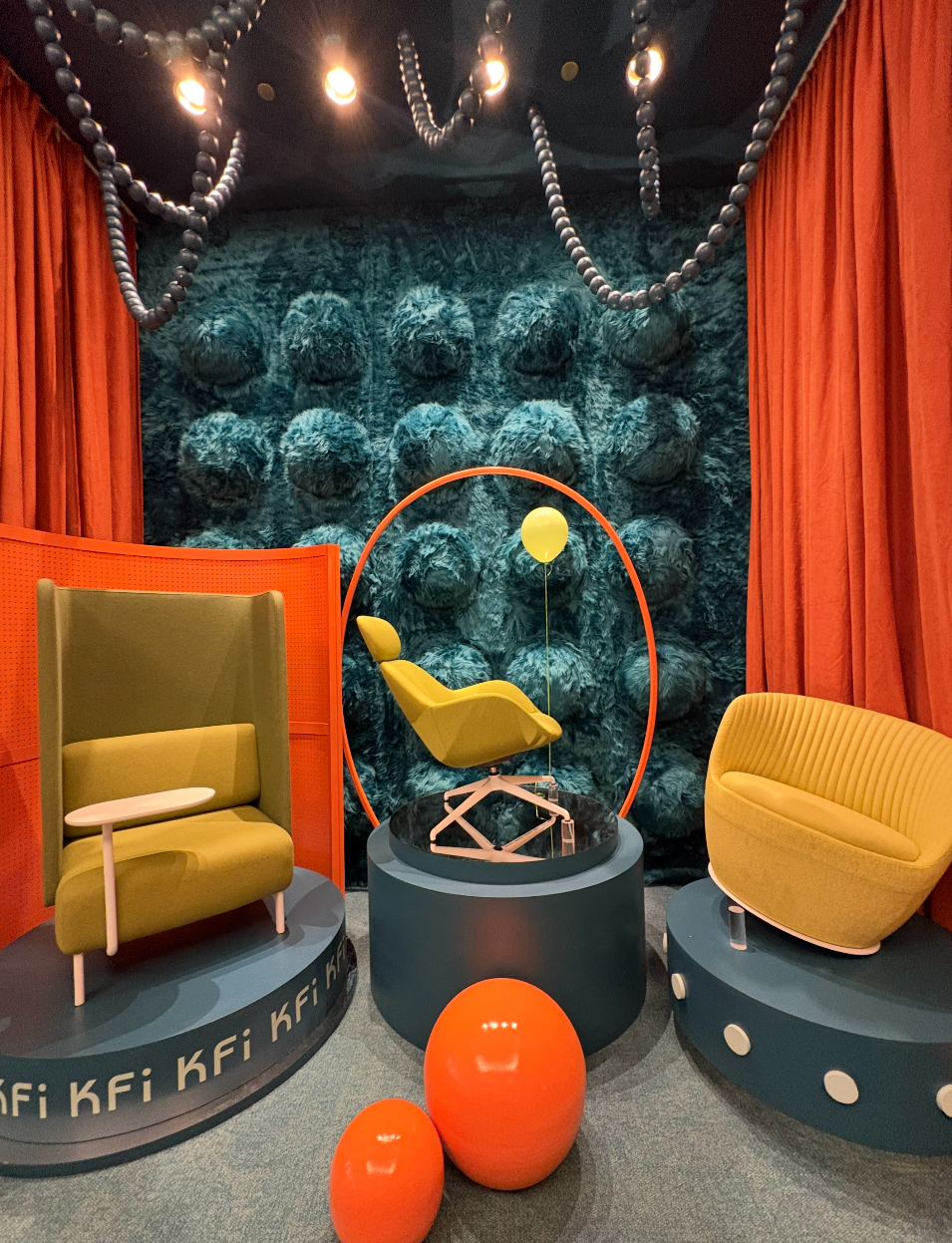
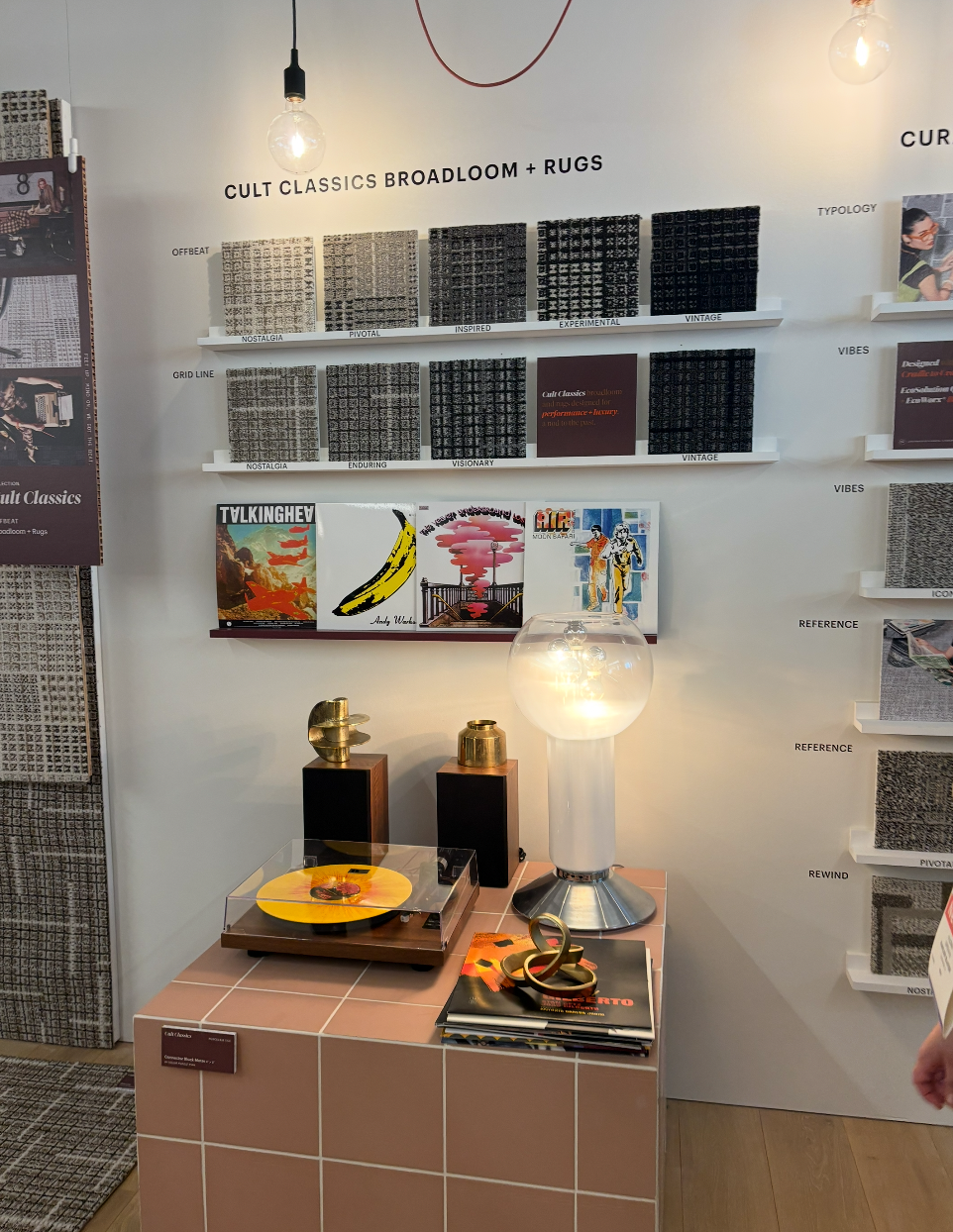
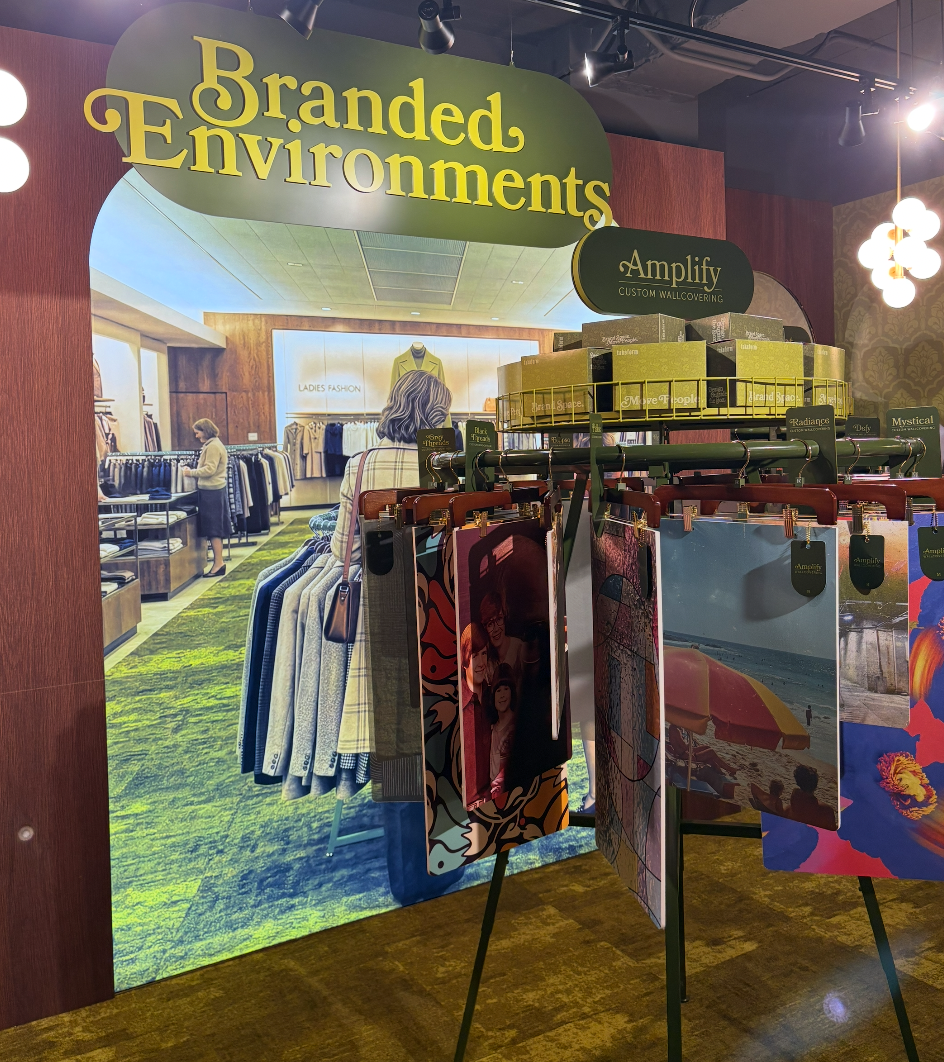
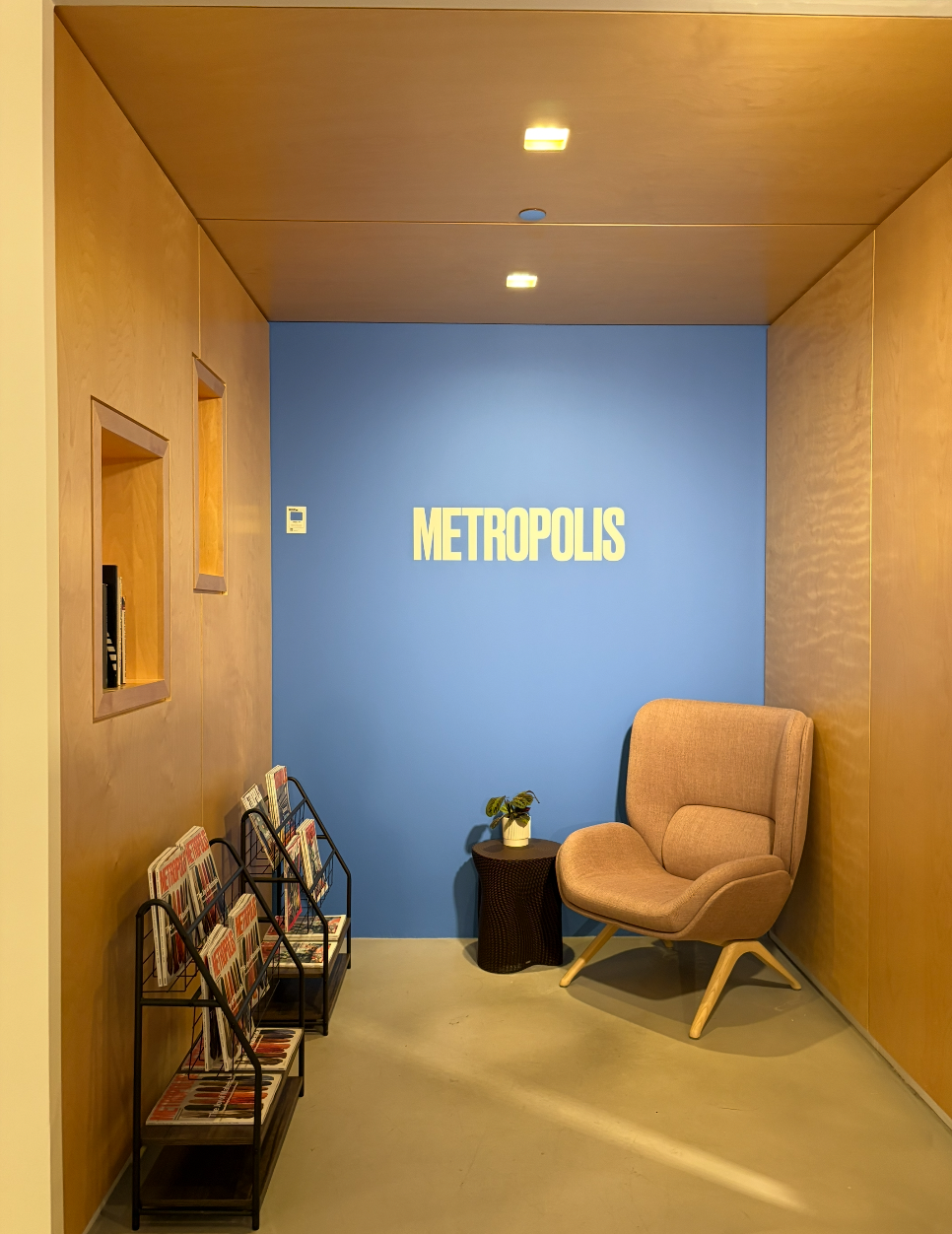
Minimalism took a back seat to environments with more personality, more layering and more visual energy. We saw bold tile, patterned walls, sculptural lighting, layered textures, decorative objects and unexpected material combinations.
This version of maximalism was not cluttered. It felt intentional. Spaces used pattern, color and object storytelling to create a sense of place. Instead of stripping environments down, brands were building them up with details that rewarded a closer look.
For retail and branded environments, this is an important takeaway. A memorable experience often comes from the layers: the material choice, the lighting, the graphic detail, the tactile moment and the unexpected object that makes someone stop and engage.

Retro, Analog and Throwback Details
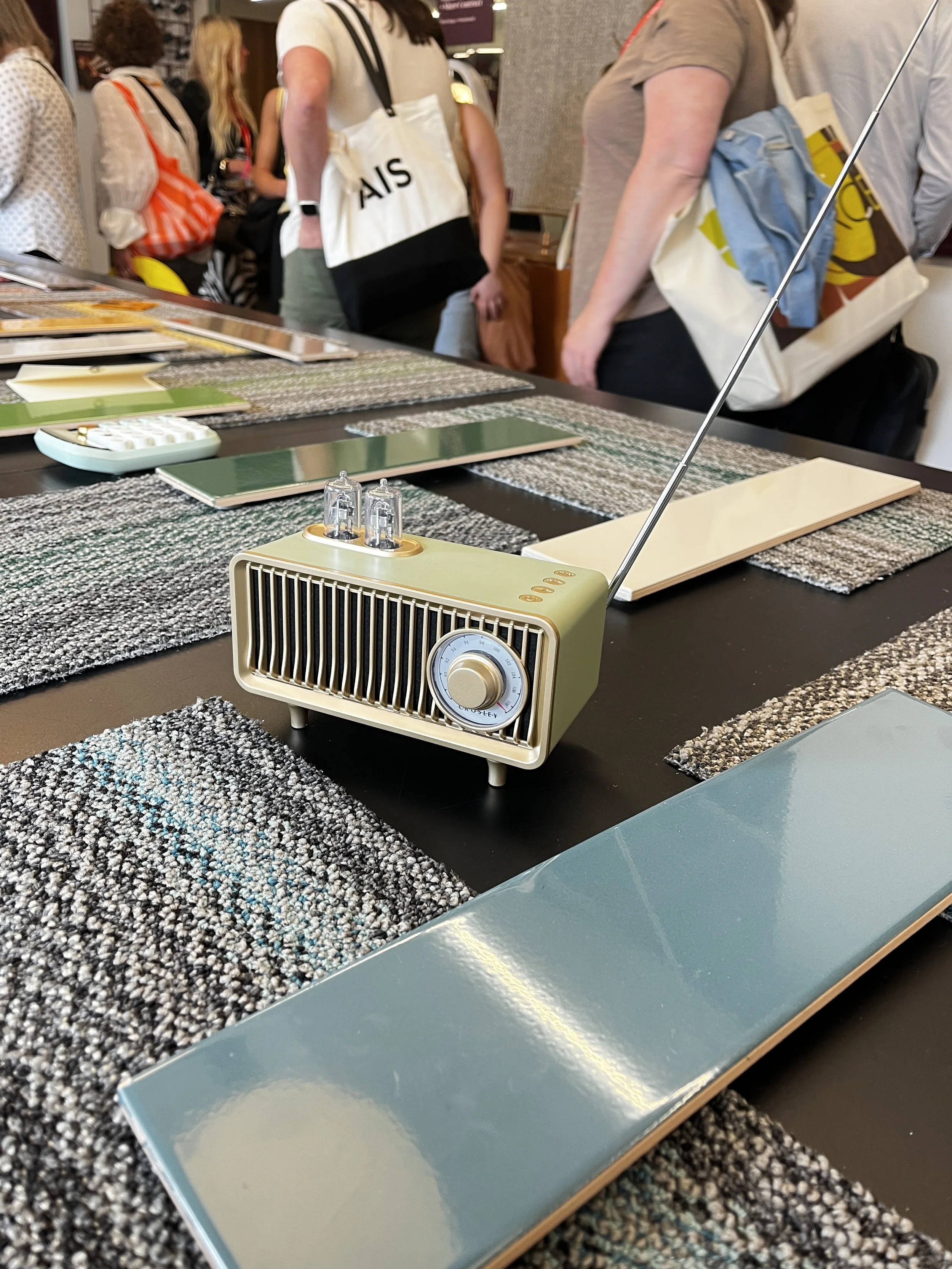
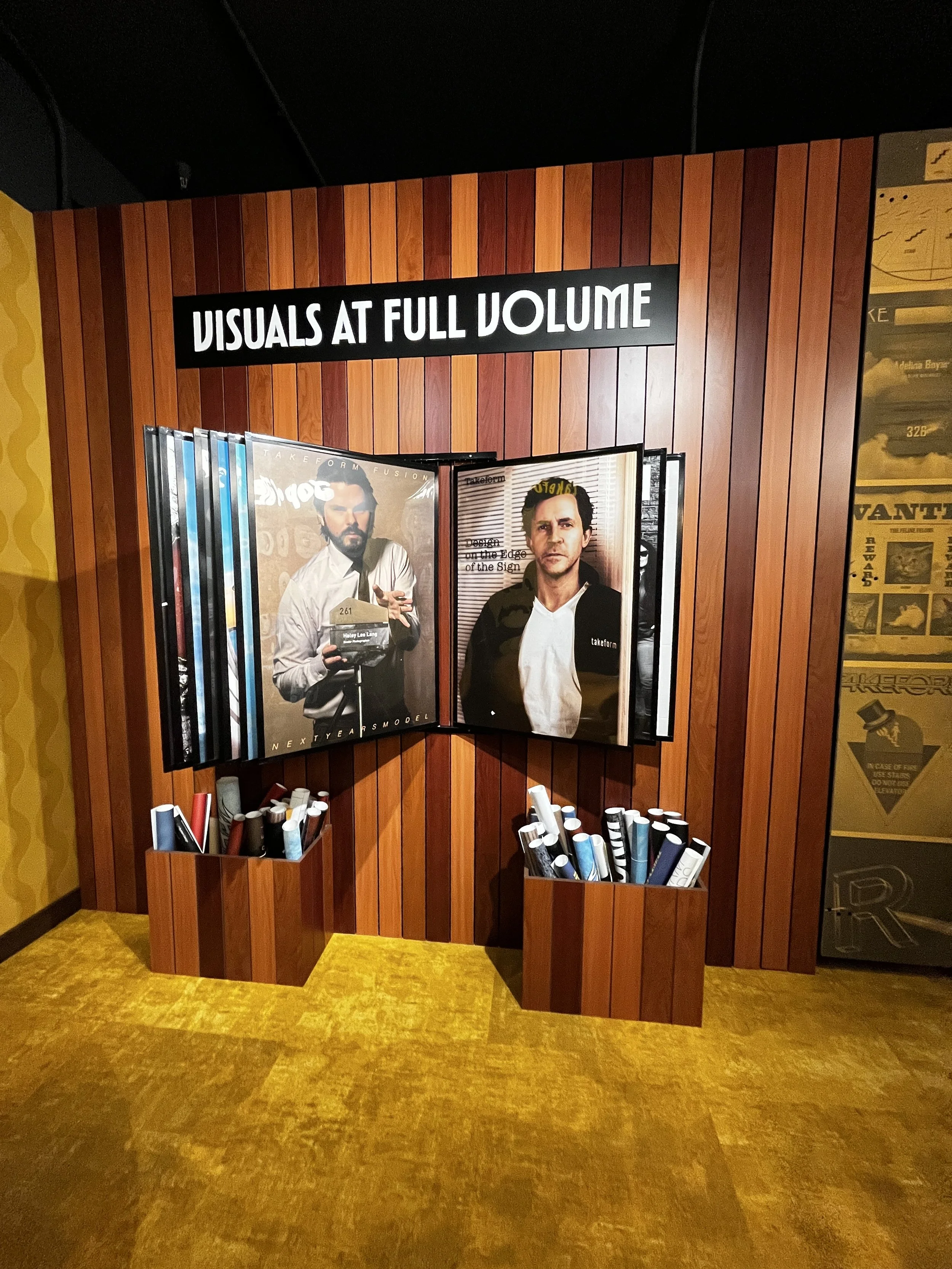
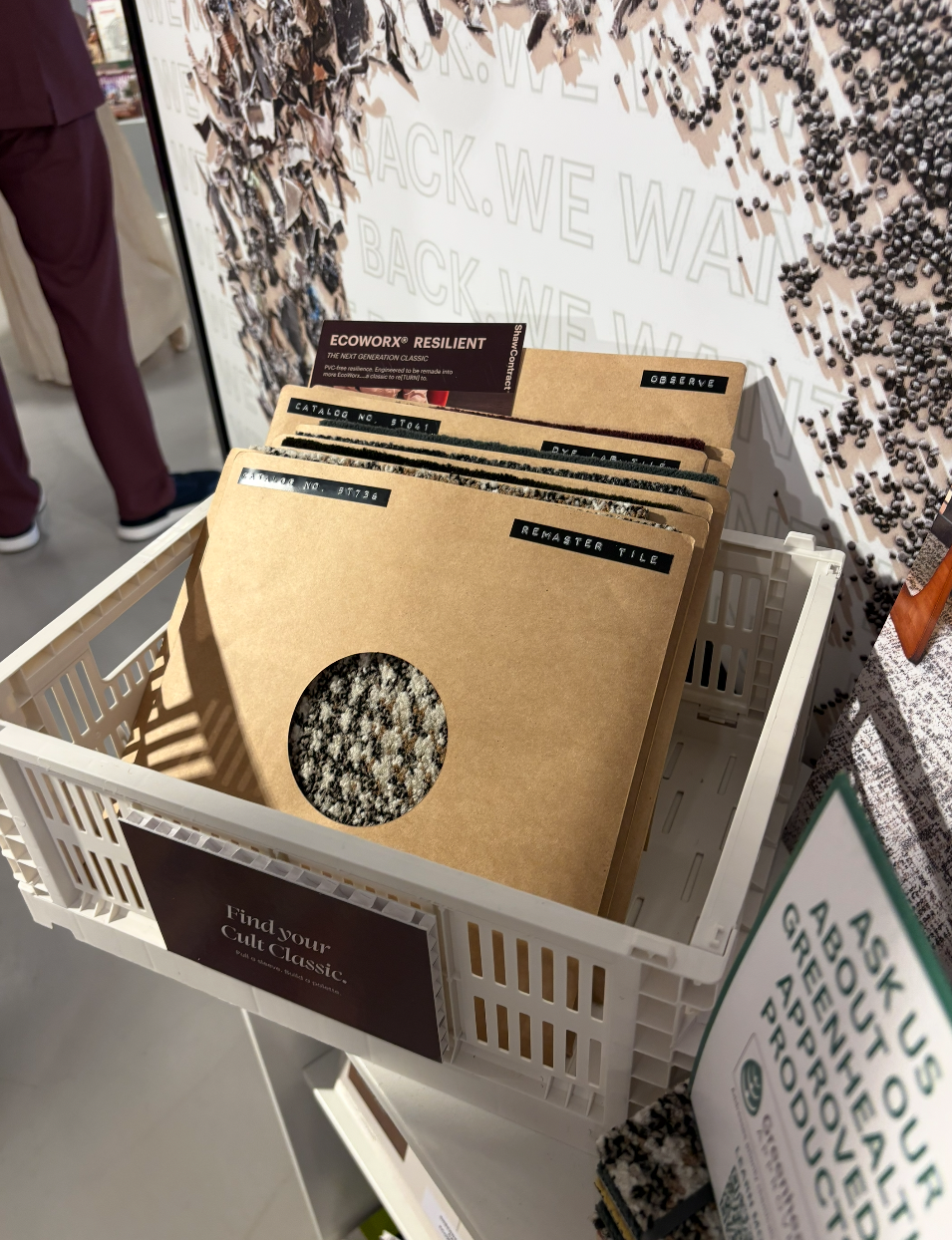
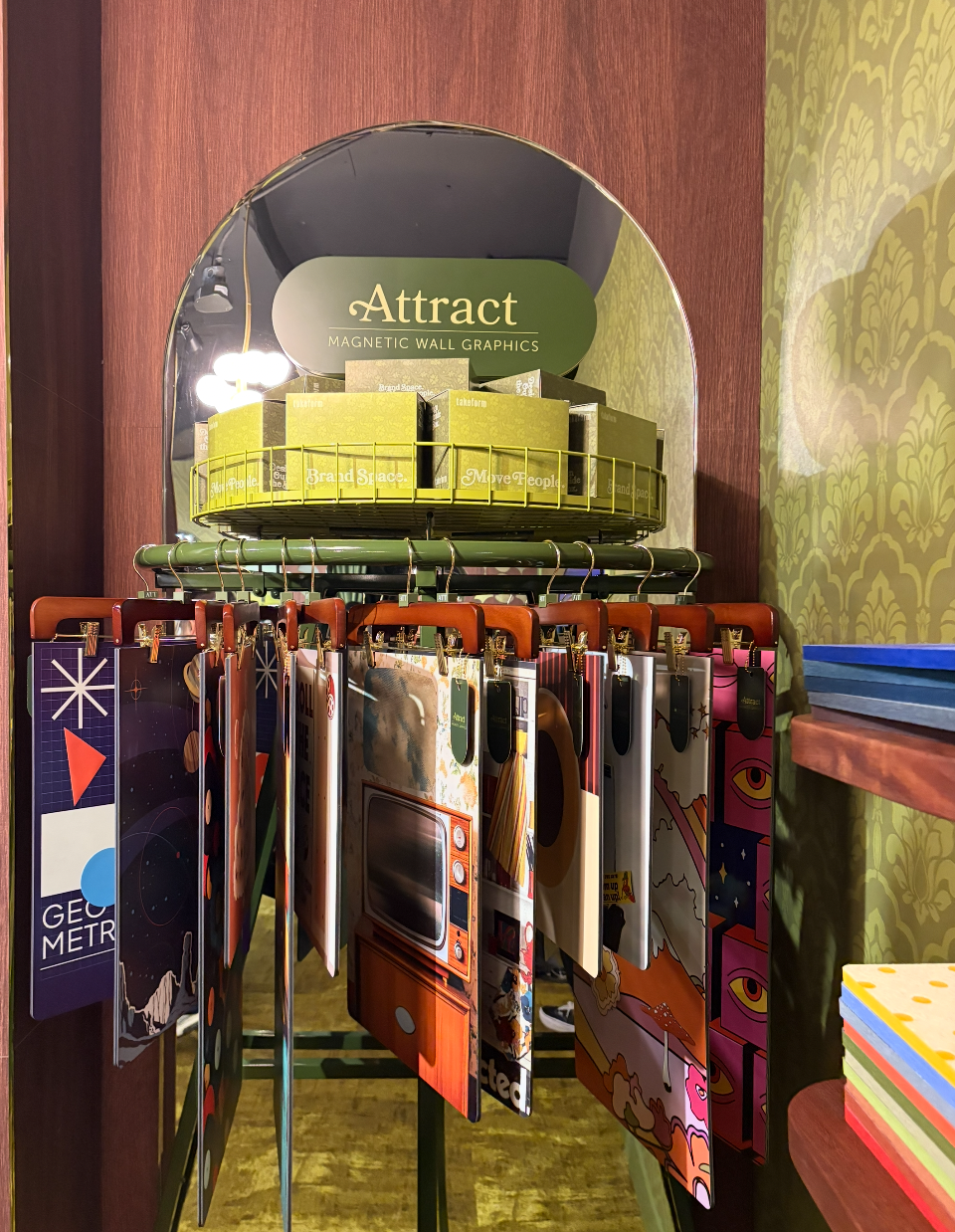
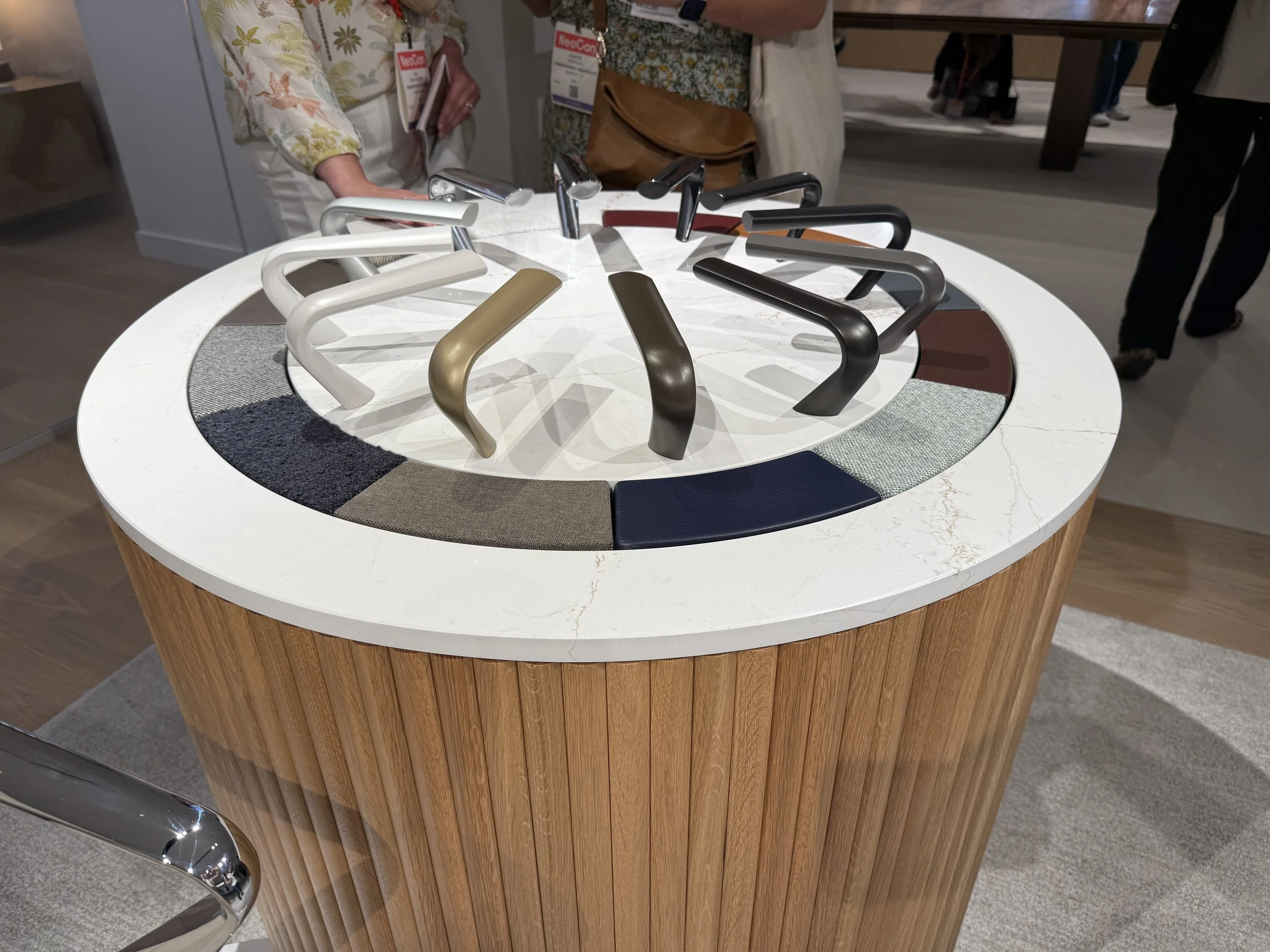
Another clear thread throughout the show was a return to analog inspiration. We noticed references to vintage tools, old-school product displays, handheld View-Master-style interactions, tactile sample libraries and nostalgic color palettes.
These moments brought a playful, human quality to the show. In a world where so much of the customer experience is digital, analog details can feel refreshing. They encourage touch, participation and curiosity. They also create a stronger emotional connection by referencing familiar forms in new ways.
The best examples did not feel like simple nostalgia. They used retro cues as a bridge between memory and modern design.
Design, Deconstructed
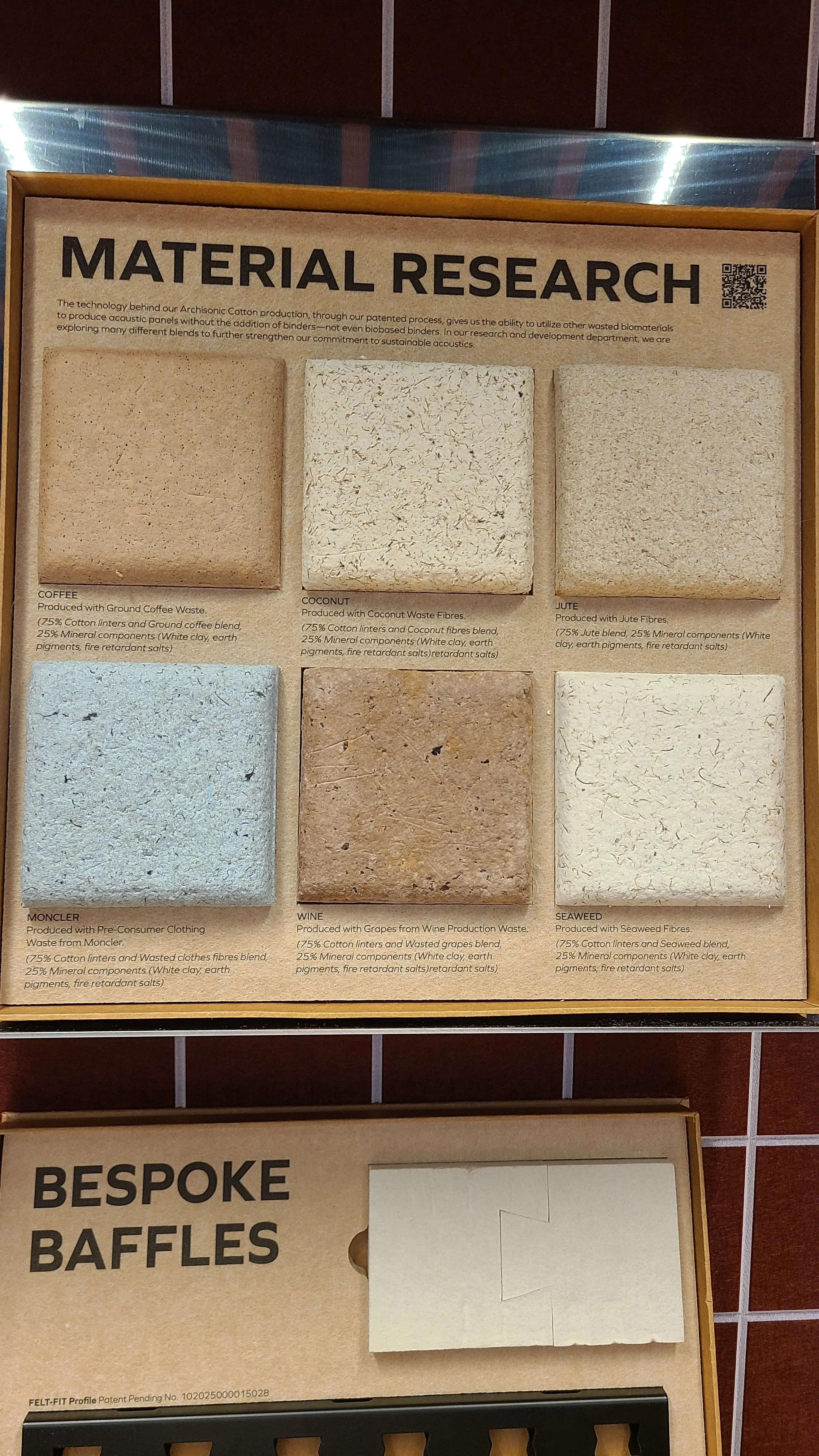
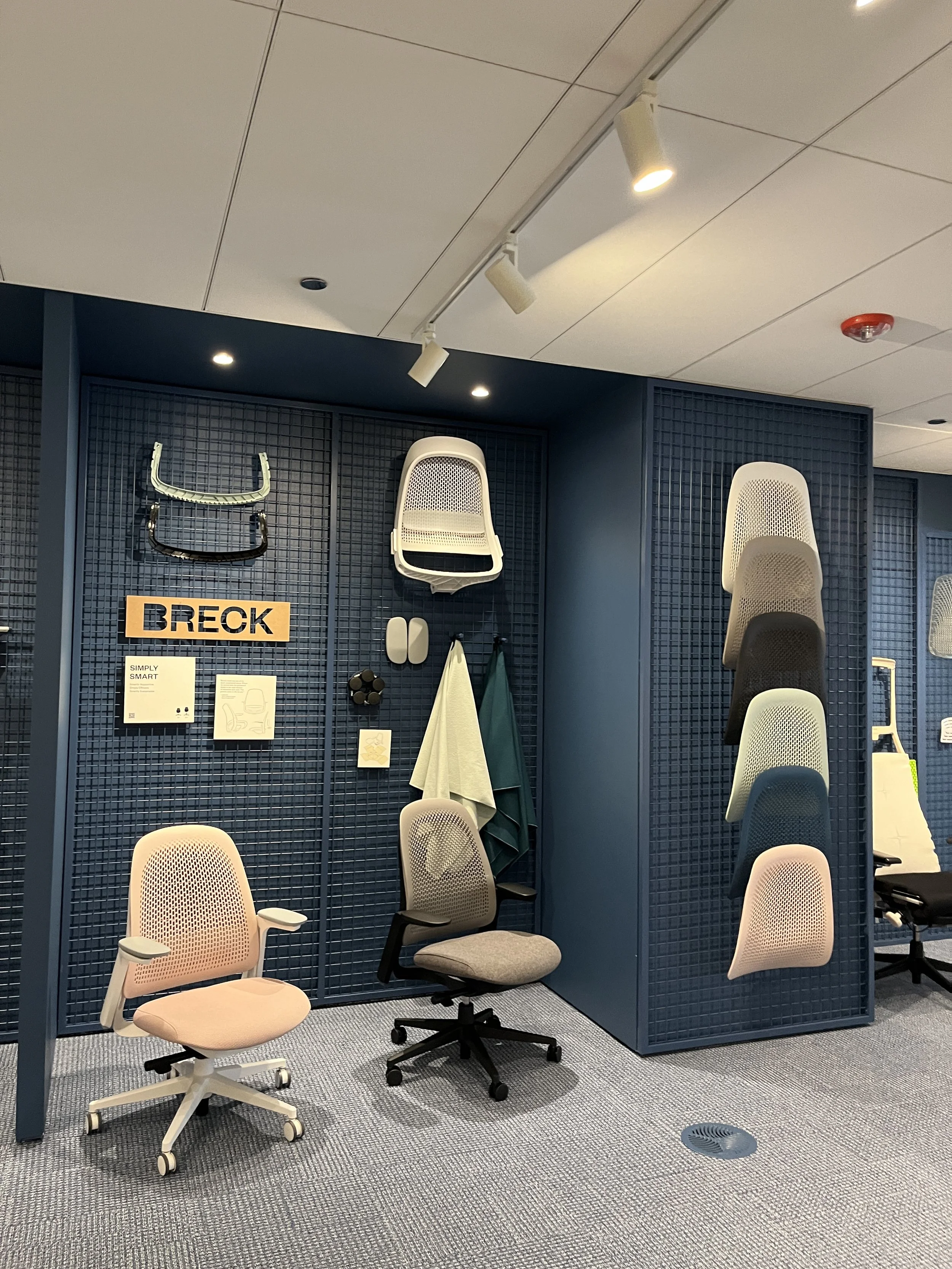
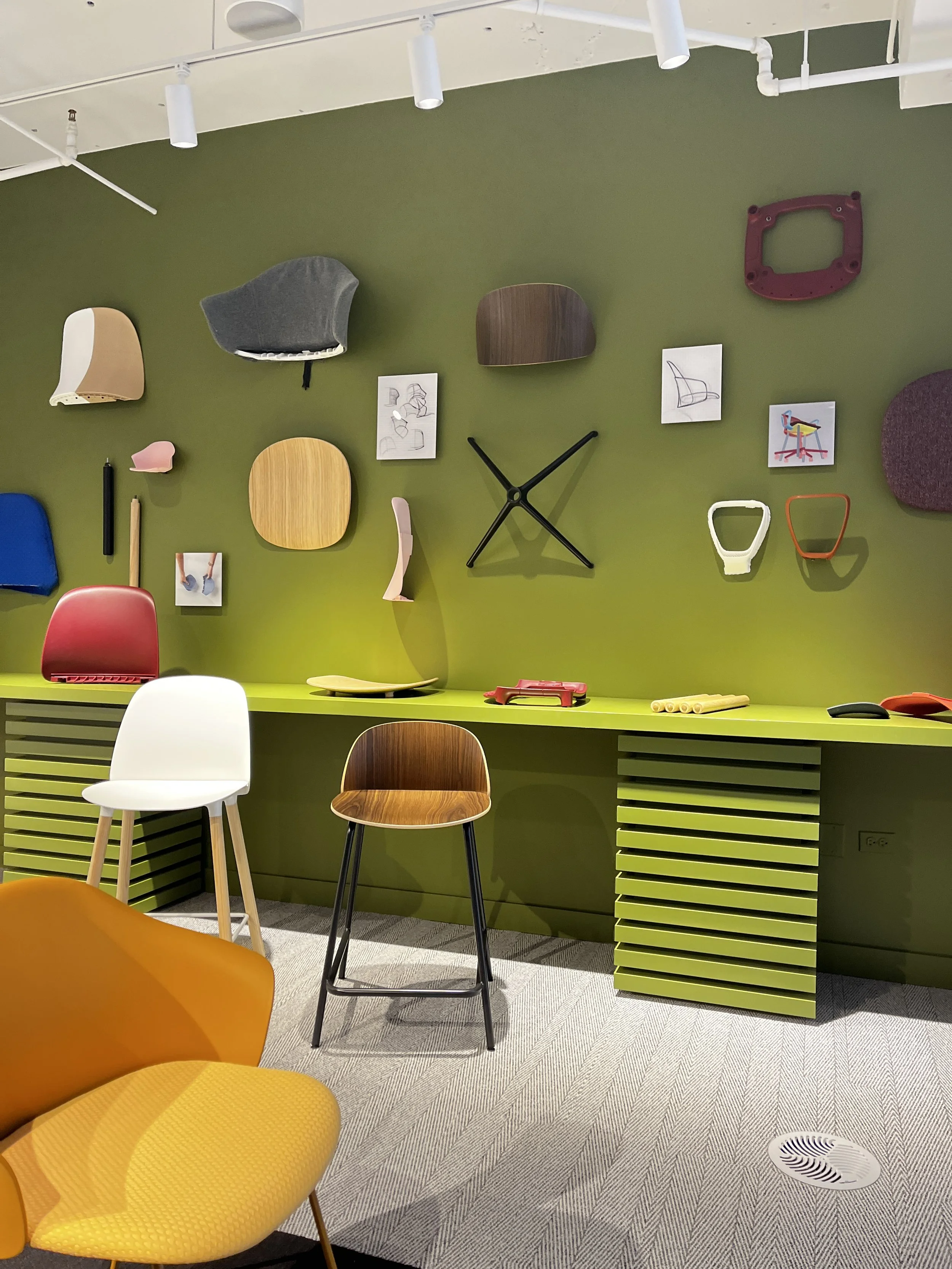
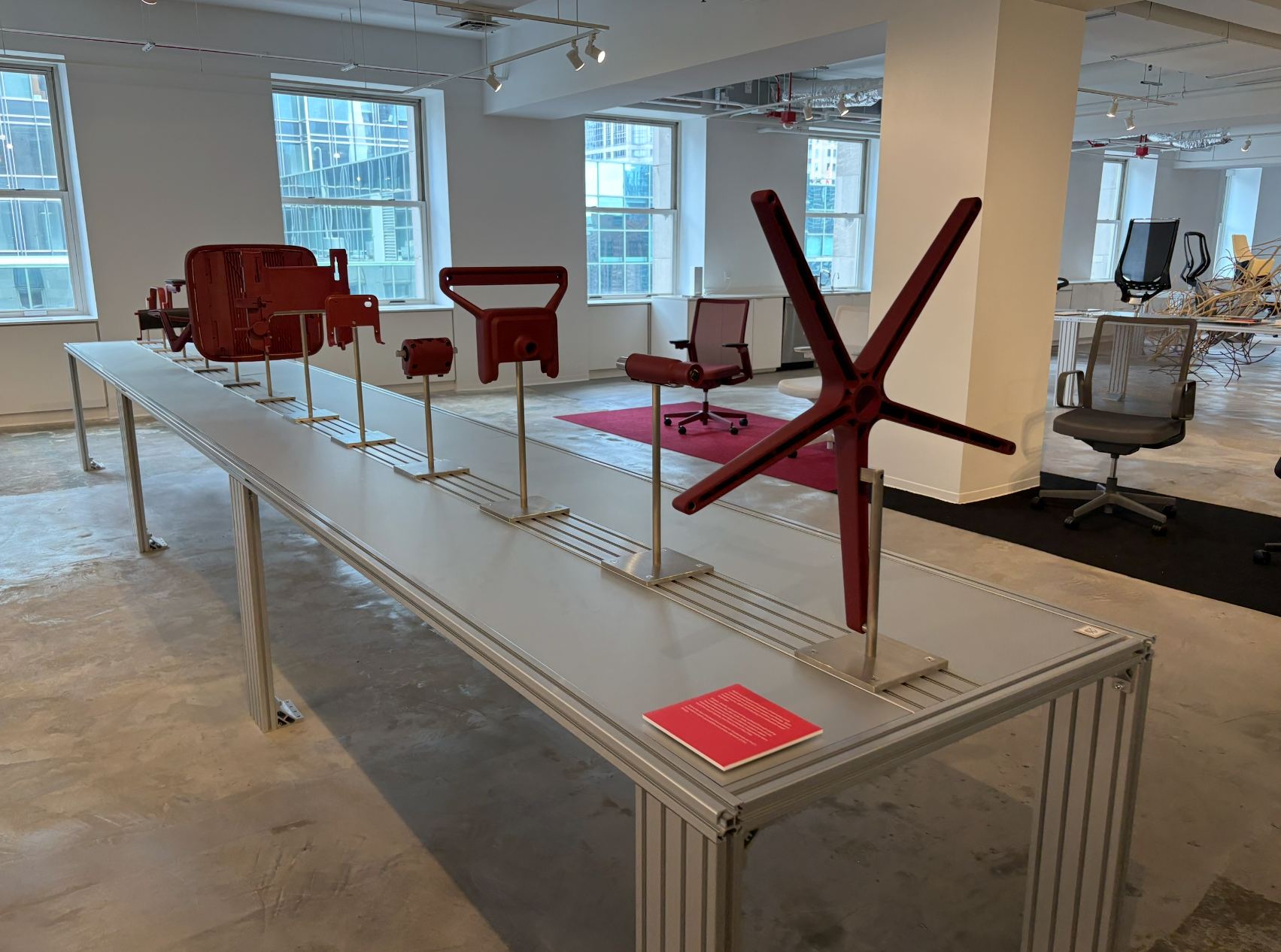
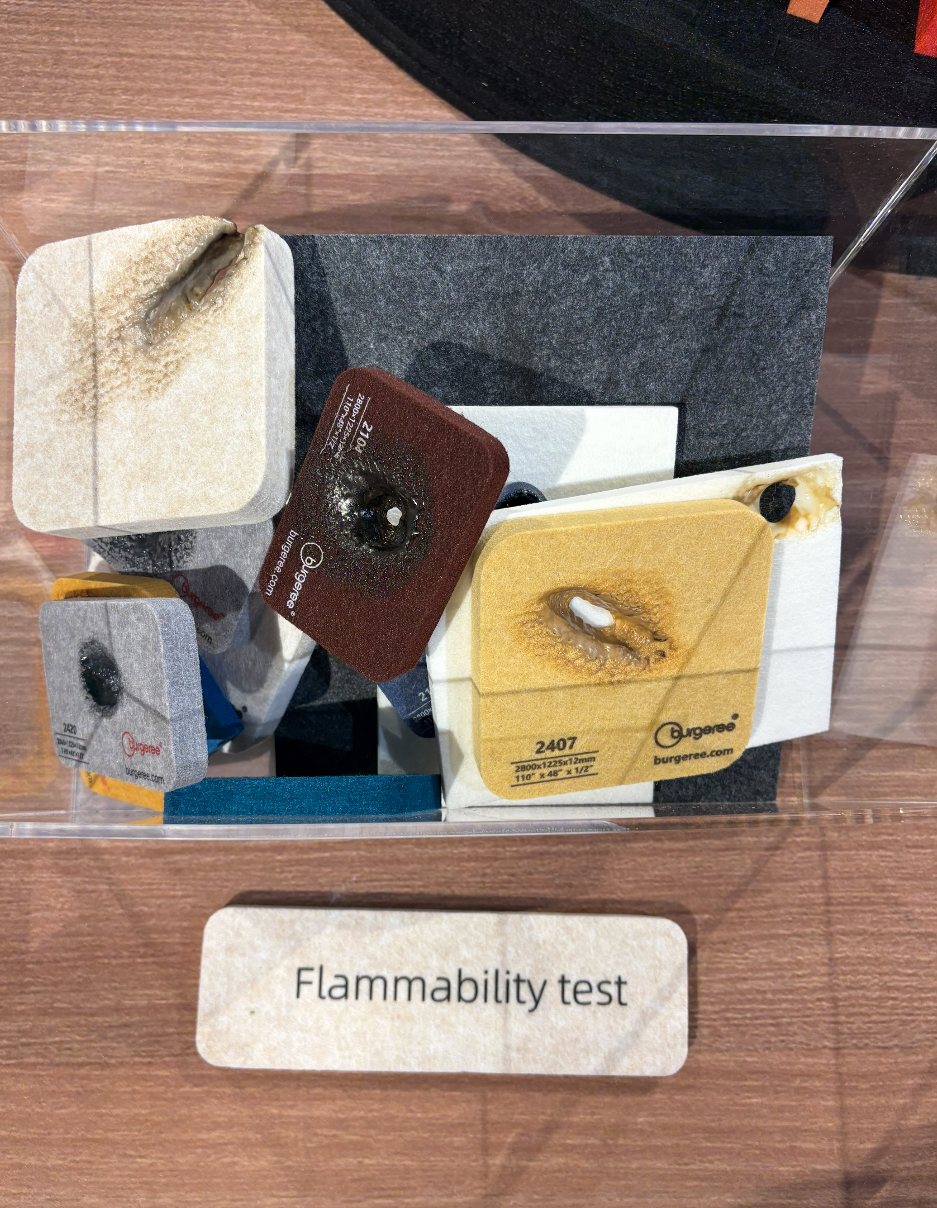
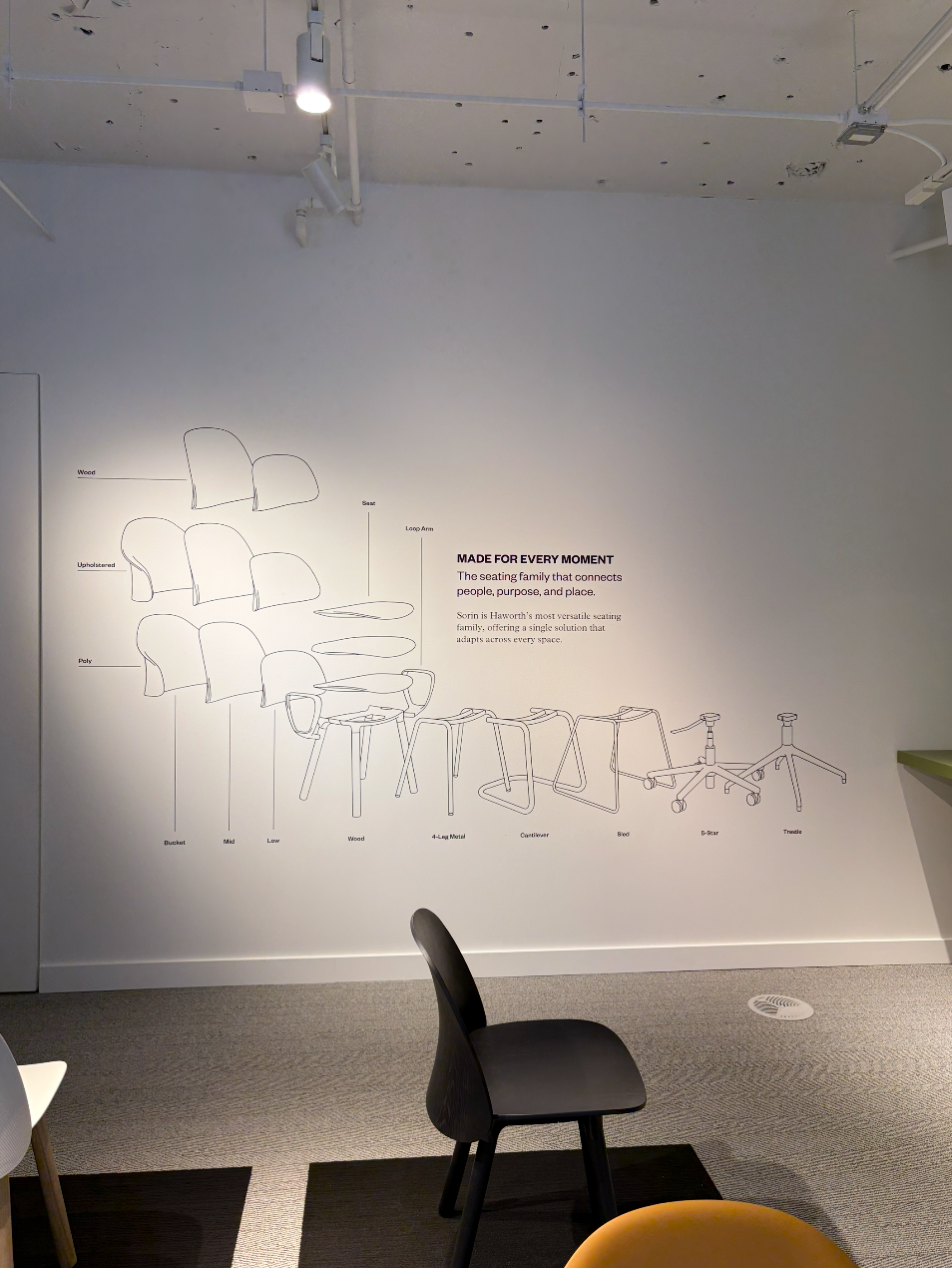
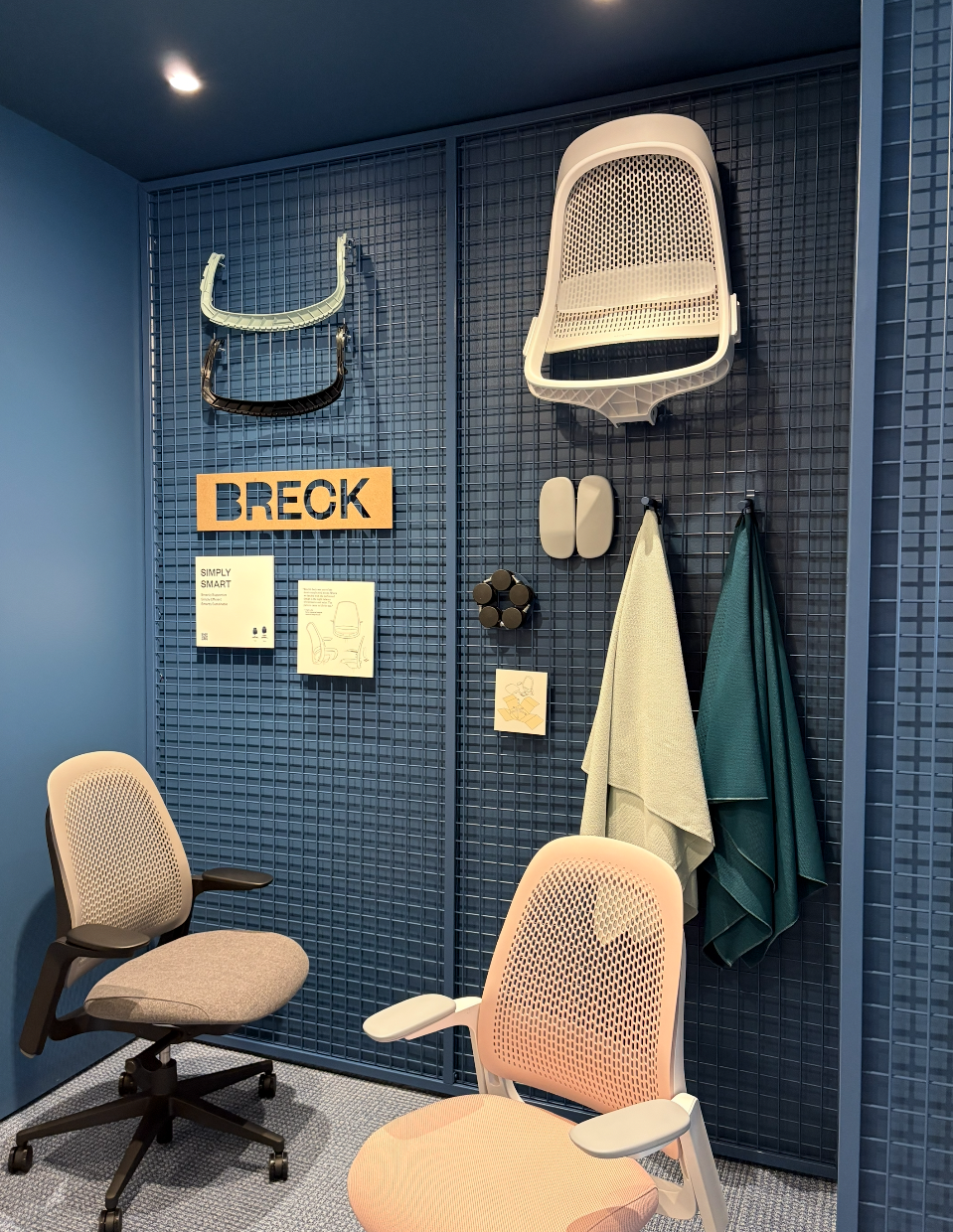
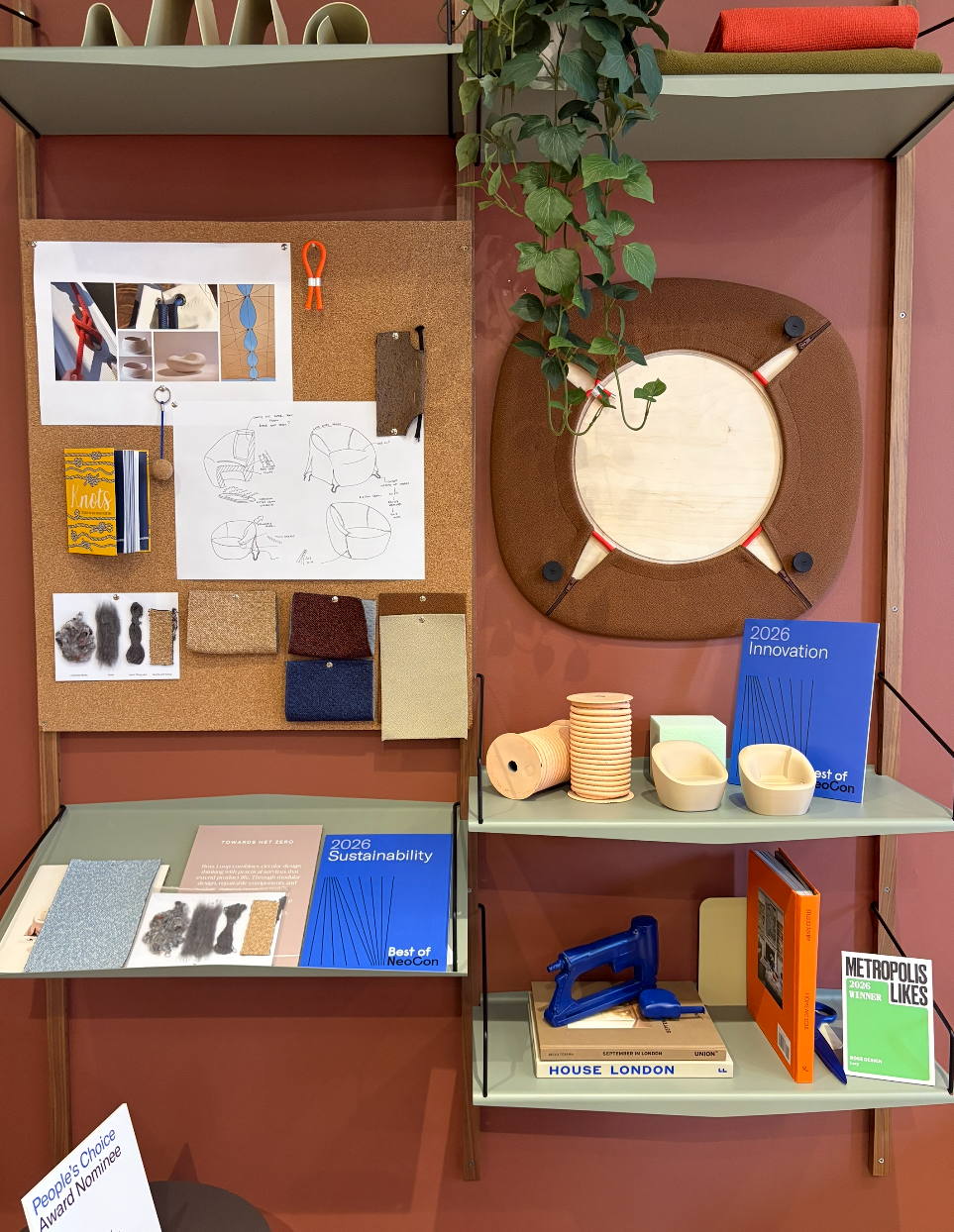
Some of the strongest storytelling came from brands that pulled back the curtain on process. Displays featured material research, production samples, exploded views, process sketches and product breakdowns that helped explain not just what something is, but how it came to be.
This was especially effective in spaces where sustainability, material innovation or product performance were part of the story. Rather than relying only on finished products, brands showed the thinking behind them. Raw samples, component displays, sketches and “behind the scenes” details made the experience feel more transparent and credible.
For designers, specifiers and customers, this kind of storytelling builds trust. It helps people understand the value behind the product and gives them something meaningful to remember.
Connection Through Story, Material and Interaction
The strongest environments at NeoCon 2026 connected ideas in multiple ways. Color created mood. Materials invited touch. Displays explained process. Analog interactions encouraged participation. Layered environments made the experience feel personal and memorable.
That is what made this year’s theme feel so relevant. Design connects when it gives people a reason to look closer, ask questions and engage with the story behind the space.
For brands thinking about retail displays, showrooms or customer-facing environments, the takeaway is clear: connection happens through detail. It happens when a space does more than present a product. It creates a moment, tells a story and makes the experience worth remembering.